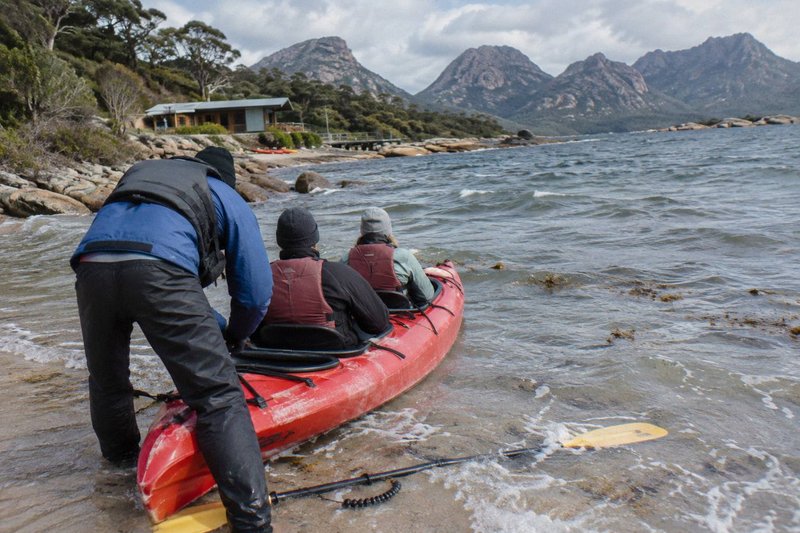
Will I Get Seasick Or Wet On A Freycinet Kayak Tour?
What the operator, PWS and MAST actually say about getting wet, spray and seasickness on a Coles Bay sea kayak tour, plus what to bring and what to ask before you book.
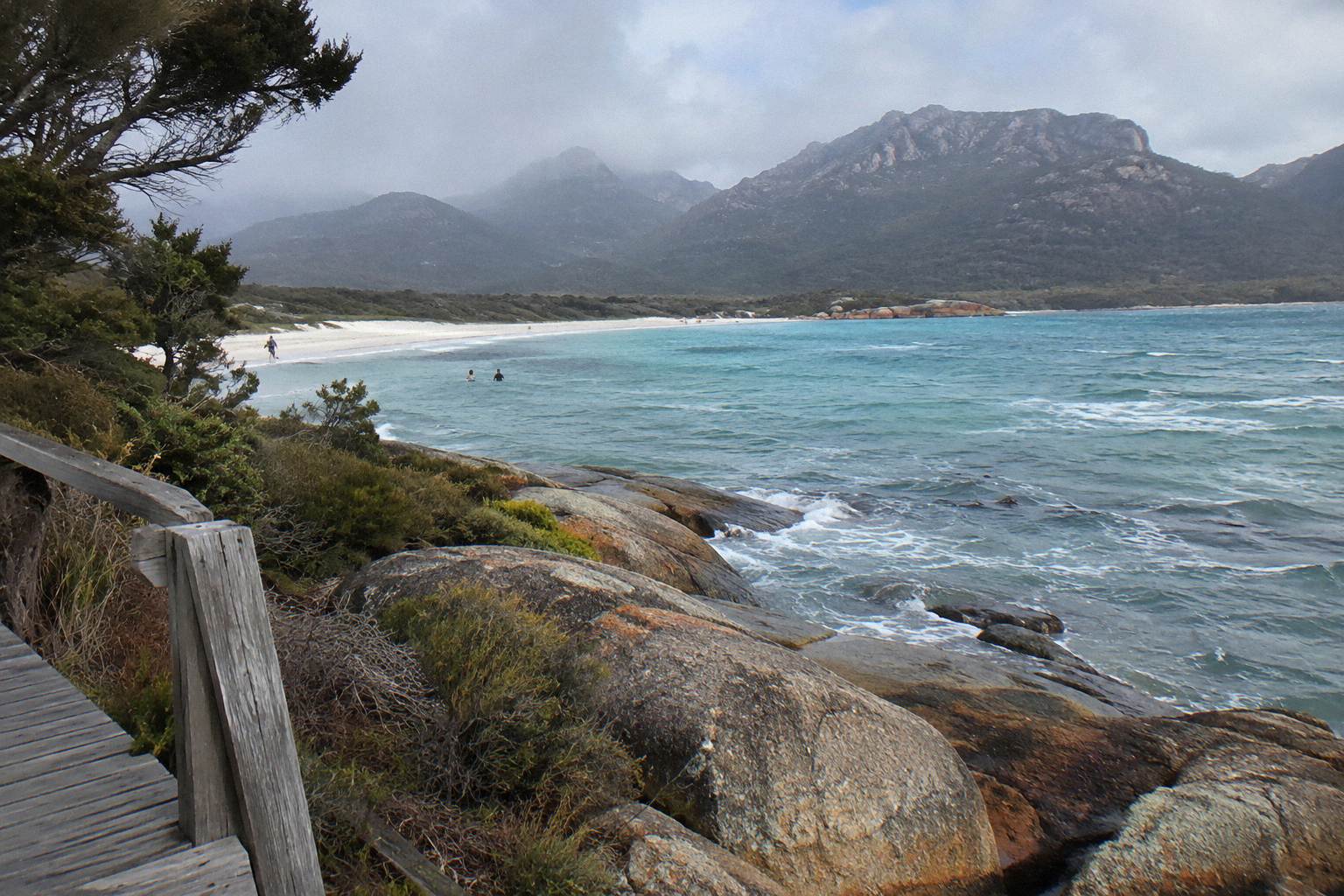
The honest split is this: wet, yes, at least your feet, and the operator says so directly. Freycinet Adventures tells guests that footwear will get wet and suggests flip flops or bare feet, warm jackets are provided, and dry bags are supplied for phones and cameras. On seasickness, neither the operator, Parks and Wildlife Tasmania nor Marine and Safety Tasmania makes any claim about motion, spray or how wet you get, so that part is a conversation to have with the booking desk and, if you are prone to it, your doctor.
That distinction matters because the two worries have different answers. Wetness is a documented, stated fact of the tour format. Seasickness is a personal physiology question that no tour page can answer for you, and any site that promises you will not feel queasy on any patch of open water is guessing. What can be stated, with attribution, is what the water itself is like, what the operator supplies, and what the official bodies say about paddling in Coles Bay.
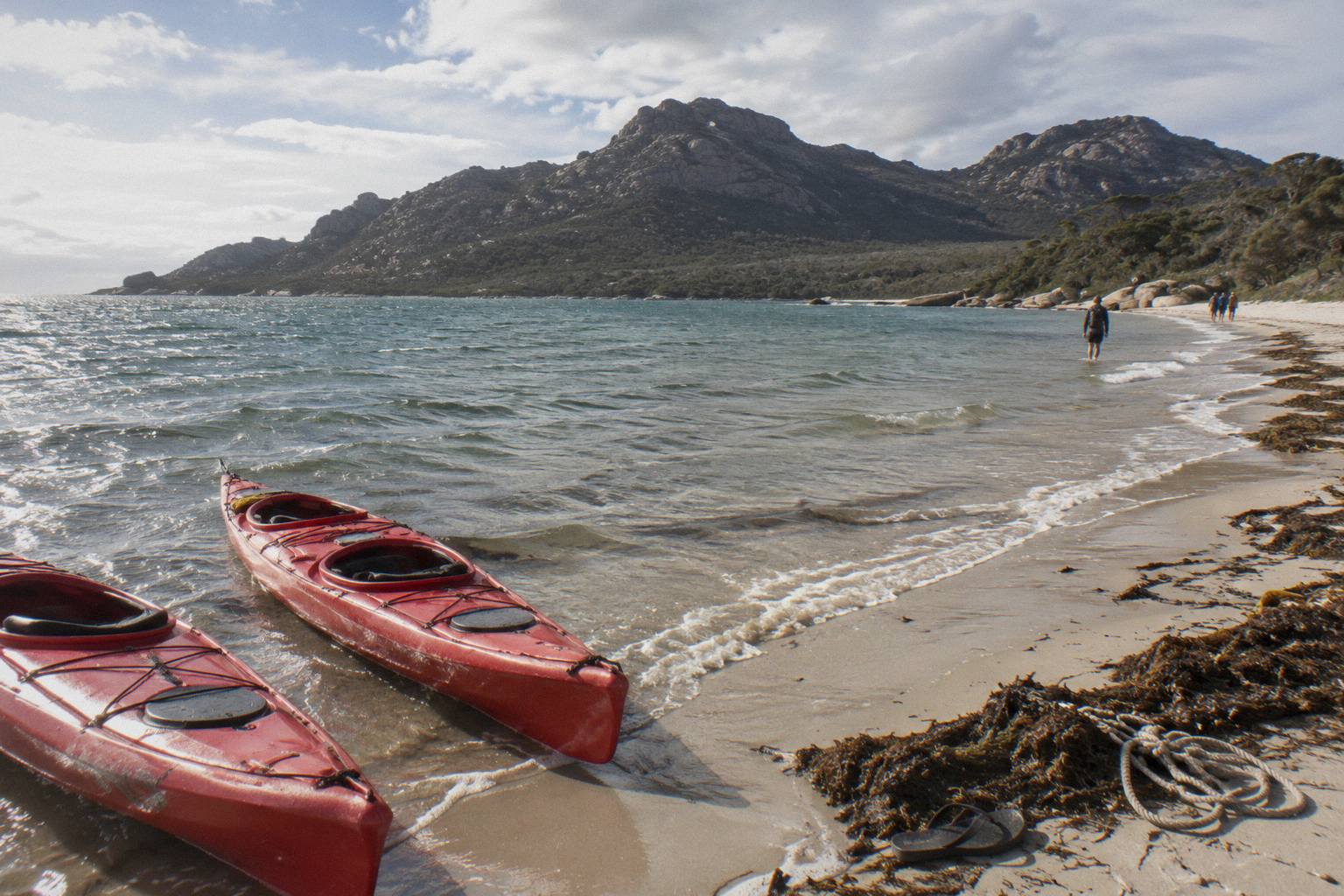
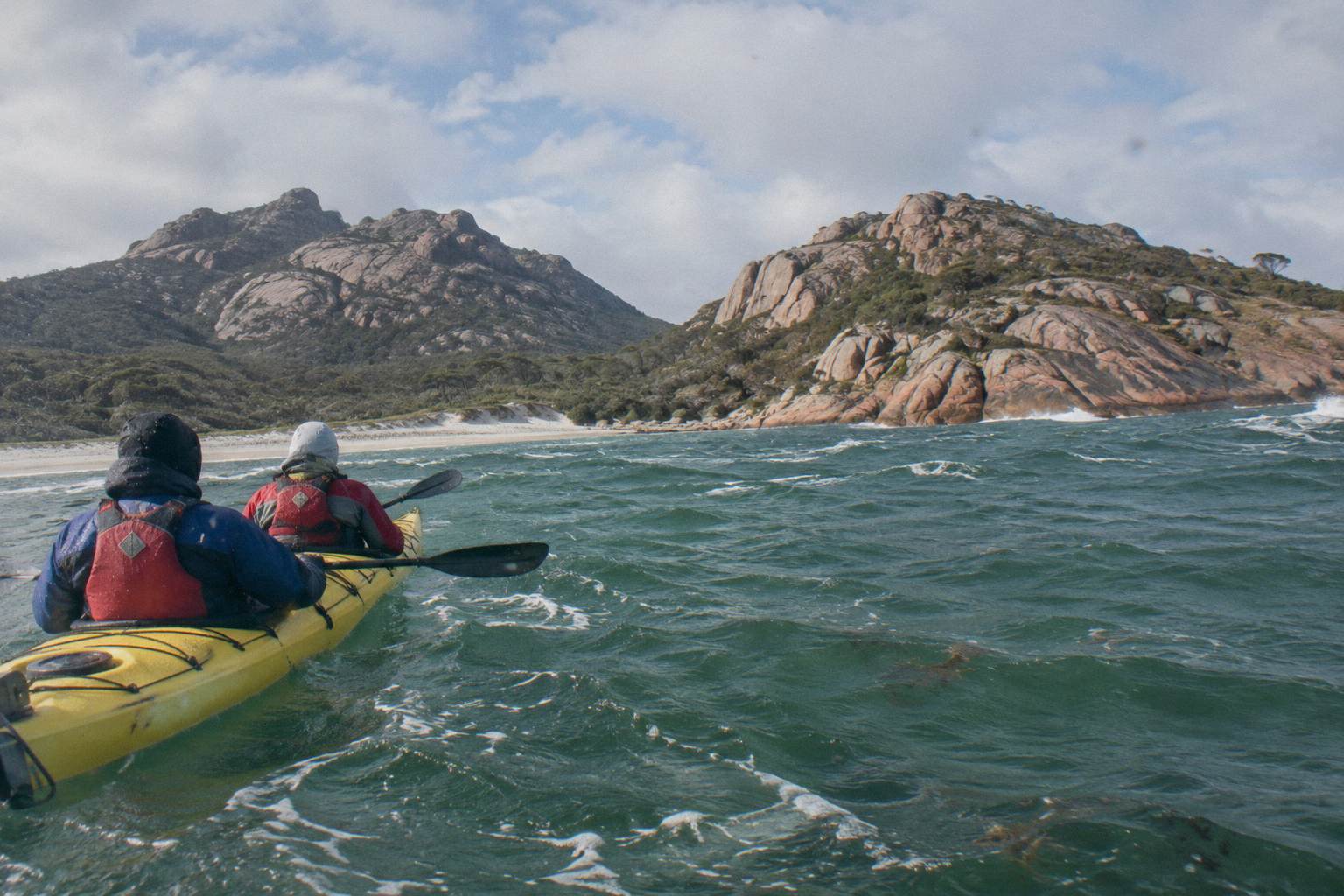
Start with the water. Parks and Wildlife Tasmania describes the Hazards, the granite range that frames Coles Bay, as rising from "sheltered turquoise bays", and says of paddling specifically that "the relatively sheltered waters of Coles Bay allow for all experience levels" and that tour companies in the area are recommended if you are new to paddling. That is the official characterisation of the bay: sheltered. It is not a promise of glass-calm water on any given morning, and sea state on the day is decided by wind and weather, which is why the operator reserves the right to cancel or reschedule for safety. The paddle itself takes place on Great Oyster Bay, out of Coles Bay township, and does not reach Wineglass Bay or Schouten Island.
The tour format matters for both questions. The Freycinet Paddle is 3 hours in total with about 2 hours of paddling cumulatively and a rest break halfway on a secluded sandy beach, where the operator serves a freshly brewed coffee or hot drink and a snack. A safety briefing comes first. The kayaks are double, sit-in tandem sea kayaks, so a solo guest paddles with another guest or a guide. Groups run from a minimum of 2 to a maximum of 16 per tour. You can read the full rundown on The Freycinet Paddle tour page and check availability once you know your dates.
How Wet Do You Actually Get On A Coles Bay Paddle?
Count on wet feet as the only guarantee, since that is the one thing the operator states plainly; beyond that, how wet you get comes down to the day, and splashes or spray may happen, so plan for your feet to be soaked and treat everything else as possible rather than promised. Freycinet Adventures says footwear will get wet, which is why the suggestion is flip flops or bare feet, and everything above the ankles is a matter of conditions on the day rather than a tour feature. No page connected to the tour describes spray, splash or how damp your clothing gets, so nobody can tell you in advance beyond the footwear note. Dry bags for phones and cameras are provided, warm jackets are provided, and no wetsuit is mentioned anywhere by the operator.
The footwear line deserves to be taken literally. If the operator says footwear will get wet, wear something that is fine in the water: flip flops, old sandals, or go bare foot as suggested. Shoes you want to keep dry, thick socks and leather boots all fail that test. Comfortable clothing is the stated advice for everything else, and a hat or sunglasses and drinking water are on the bring list.
What the tour supplies, on the operator's own pages and the booking page, is a decent set of dryness aids: all sea kayaking equipment including the stable double kayaks, warm jackets, and dry bags for cameras and phones. The booking page also lists a hot drink with a gourmet cookie and a professional guide among the inclusions, and hotel pick-up and drop-off and transport to and from attractions among the exclusions. The launch point is Muirs Beach in Coles Bay, where the operator notes there is free public parking and public toilets, so there is a practical place to change and check your bag before and after.
If the wet-feet reality is a dealbreaker for a companion, the same stretch of coast sells drier formats. The Wineglass Bay cruise boards at 61 Jetty Rd, Coles Bay, runs about 4 hours 30 minutes, and is rated 4.7 across more than 1,000 reviews; it is a motor vessel trip, not a kayak trip, and it is the one that actually reaches Wineglass Bay. The Freycinet Walking Tour is the third option, a guided walk rather than a paddle. Neither is a substitute for the kayak experience, but both keep a nervous traveller inside the day's plan.
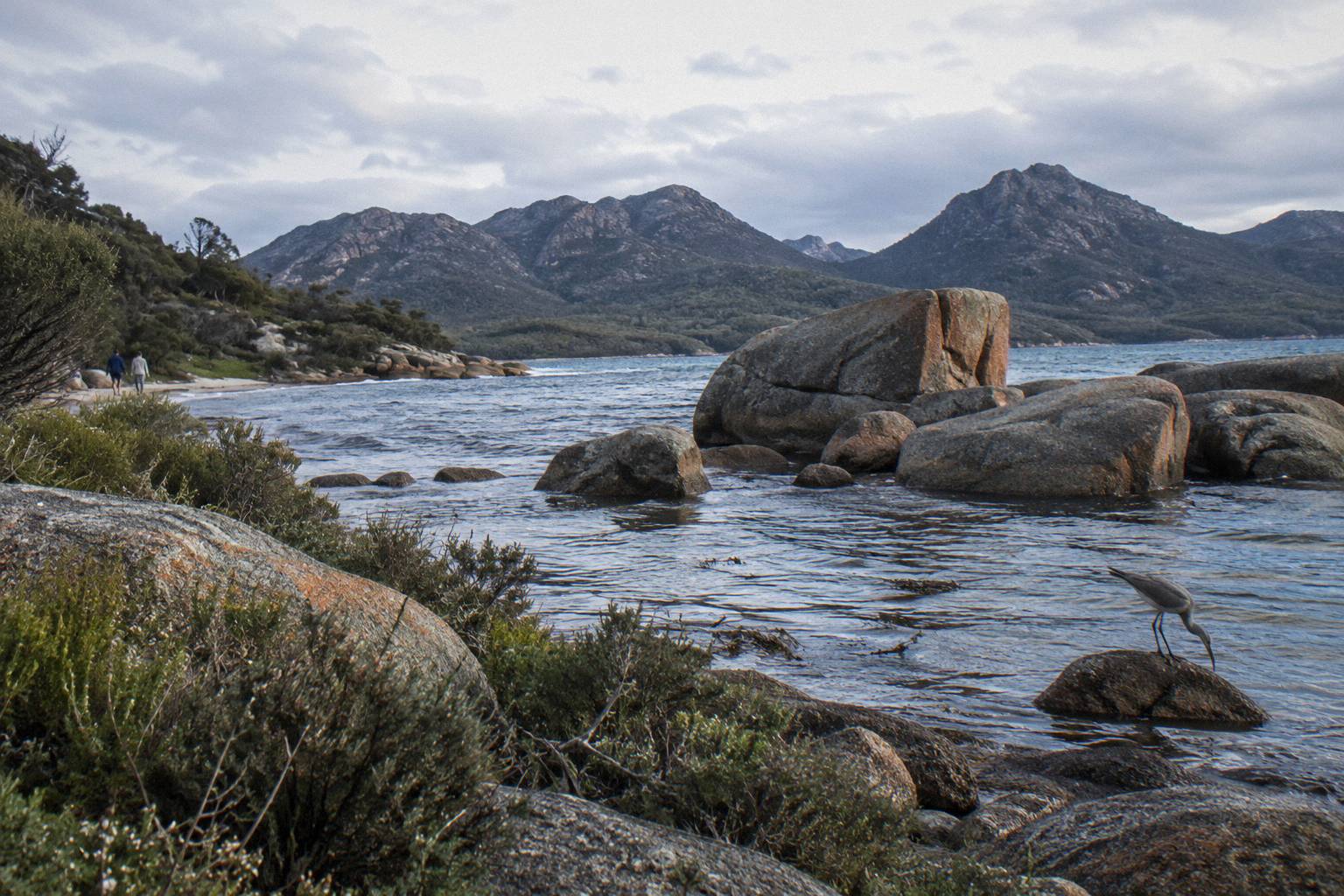
What About Seasickness: Can Anyone Answer That For You?
No source tied to the tour answers the seasickness question, and that silence is itself the answer: whether you get seasick depends on your personal tolerance, something no tour description can settle, so you have to plan around your own body rather than waiting for the tour to resolve it for you. The operator FAQ, the tour page and the official bodies say nothing about seasickness, motion or spray, so any reassuring or alarming claim you read elsewhere is invention. The practical route is twofold: tell the operator when you book that you are prone to seasickness, and check with your doctor about anything you would take for it. Both steps are standard advice and neither requires a prediction about the water.
Why can nobody promise calm water? Because the operator's own weather policy says guides can cancel at any time for safety, and in challenging wind the operator may contact guests beforehand and may require previous sea kayaking experience and moderate fitness, otherwise offering a full refund or reschedule. That policy tells you the conditions genuinely vary. Parks and Wildlife Tasmania calls Coles Bay sheltered and suitable for all experience levels, which is the baseline characterisation, but a sheltered bay is still open to wind, and the tour runs year round with seasonal departure times. Weather cancellation carries a full refund, and guest cancellation with 24 hours notice earns a refund under the operator's terms.
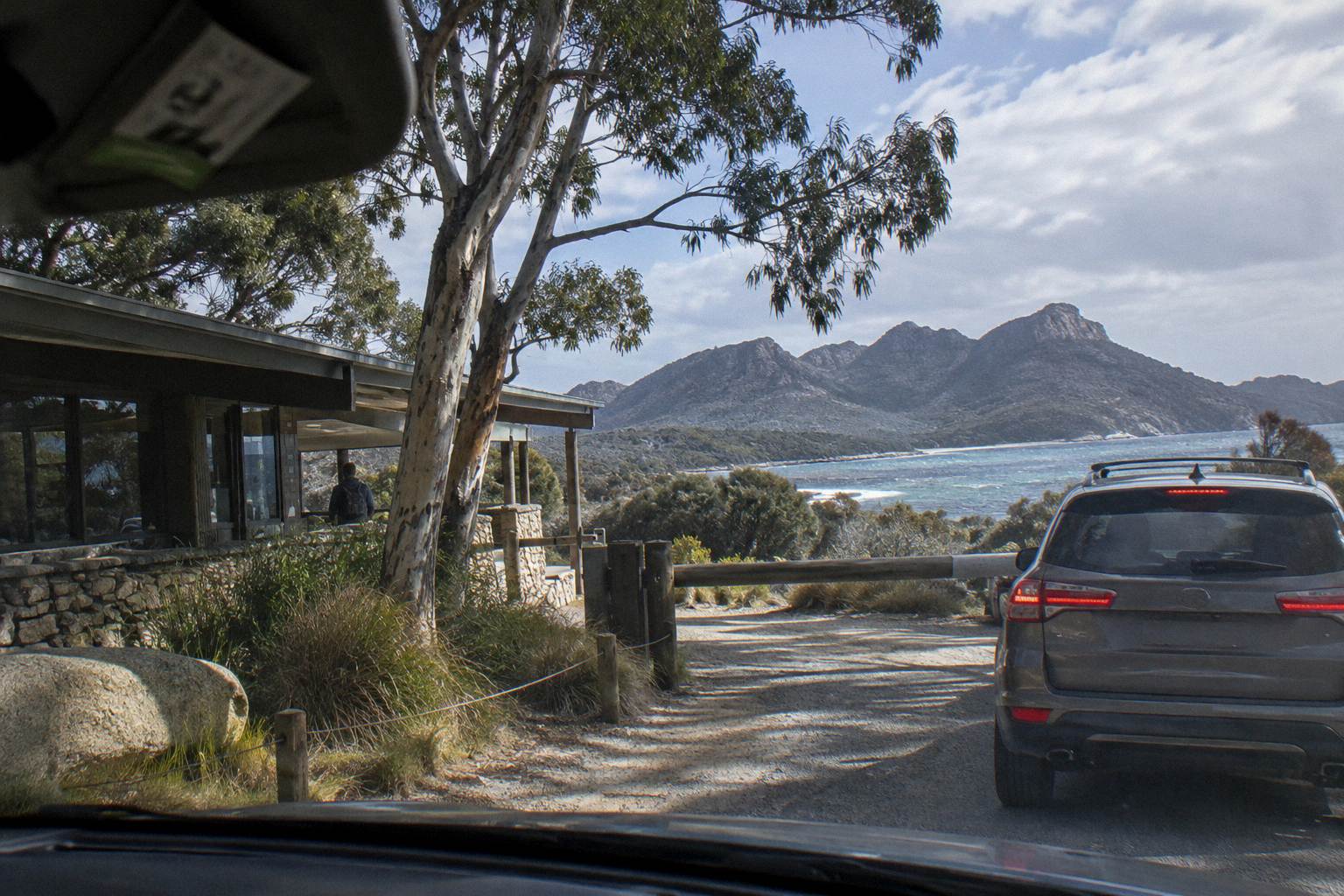
There is also a structural reason a tandem sit-in kayak sits differently in the motion question than a small boat: it is a different craft with a different feel, and no data held anywhere compares them. If you get queasy on ferries but fine in cars, or the reverse, that pattern does not transfer to a double kayak by any stated fact. The honest framing is: the bay is officially described as sheltered, the tour includes a halfway beach rest break, and your own tolerance is a medical question. A doctor can give real advice on remedies; a tour page cannot.
What Gear Is Provided, And What Should You Bring?
The operator supplies all sea kayaking equipment, warm jackets, and dry bags, so the only things you need to bring are drinking water, a hat or sunglasses, comfortable clothing, and footwear that can survive the water. In short, the technical gear is covered for you, and your job is simply to show up dressed comfortably with water in hand. That is the complete stated list from the operator's FAQ and tour page, plus the booking page's inclusions of a hot drink with a gourmet cookie, a professional guide and GST. No wetsuit is mentioned by the operator, so if you want one, that is a question for the booking desk rather than an assumption, and the same goes for anything not named on the bring list.
| Item | Stated by | Status |
|---|---|---|
| All sea kayaking equipment | Operator | Provided |
| Stable double sit-in sea kayaks | Operator and booking page | Provided |
| Warm jackets | Booking page | Provided |
| Dry bags for phone and camera | Booking page and operator | Provided |
| Hot drink with gourmet cookie | Booking page | Included at the beach stop |
| Drinking water, hat or sunglasses | Operator | Bring your own |
| Comfortable clothing | Operator | Wear it |
| Footwear that can get wet, flip flops or bare feet | Operator | Wear it |
| Wetsuit | Nobody | Ask the operator |
On life jackets, Marine and Safety Tasmania is explicit that a life jacket is compulsory in a lightweight craft, which includes kayaks, canoes and stand-up paddle boards. The operator's pages name "all kayaking equipment" without listing life jackets item by item, so the accurate statement is that guided tours supply their equipment and the compulsory requirement sits with every kayak on the water. If you want to know the specific gear the guide carries on a given day, ask when booking. Everything else covered here is indexed on Freycinet Kayaking.
Beyond the life jacket rule, MAST's paddle craft advice covers lights, tethers and distances: a white strobe or all-round light is required to be lit between sunset and sunrise and when visibility is limited, a tether is required when more than 200 metres offshore, other equipment varies by water category, and a mobile phone in a waterproof pouch is recommended. Its safety tips add "never venture too far offshore", mind tides and wind, and "unless you are an experienced surf paddler, stay out of the surf". A guided tour inside Great Oyster Bay with a guide handles those decisions for you, which is exactly why PWS recommends guided tour companies for new paddlers.
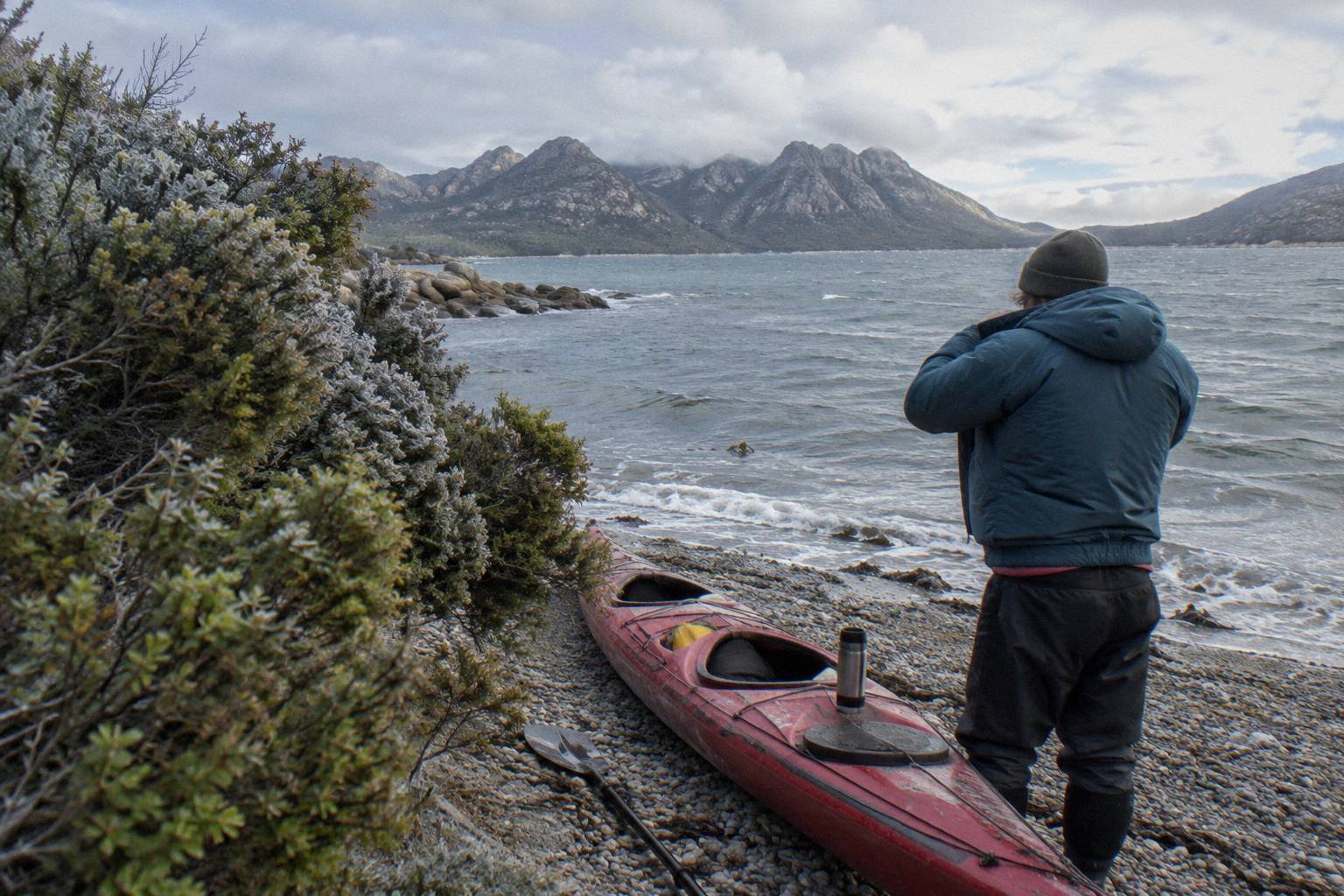
How Cold Is The Water, Month By Month?
Coles Bay sea temperatures run roughly 13 to 17 degrees Celsius across the year, with February the warmest month at an average of 17.2 and August the coldest at an average of 13.0, according to seatemperature.org's long-run historical data. That is a four-degree band, and it matters mostly for one decision: what happens if you end up in the water, and how warmly you dress on shore before and after. The operator supplies warm jackets and states no wetsuit, so layering on your own body is the tool you control.
| Month | Min C | Avg C | Max C |
|---|---|---|---|
| Jan | 15.9 | 16.8 | 17.7 |
| Feb | 16.6 | 17.2 | 17.9 |
| Mar | 16.1 | 16.6 | 17.2 |
| Apr | 15.2 | 16.0 | 16.8 |
| May | 13.7 | 14.8 | 15.9 |
| Jun | 13.3 | 14.0 | 14.7 |
| Jul | 12.5 | 13.2 | 13.9 |
| Aug | 12.5 | 13.0 | 13.5 |
| Sep | 12.6 | 13.1 | 13.7 |
| Oct | 12.8 | 13.5 | 14.2 |
| Nov | 13.8 | 14.8 | 15.7 |
| Dec | 15.4 | 16.3 | 17.2 |
The figures are approximate averages from seatemperature.org's Coles Bay page, a secondary source built on long-run sea surface data, and should be read as a guide to the season rather than a forecast for your morning. Two practical takeaways follow from the numbers. First, even summer water sits in the high teens, so "warm" here is relative and the operator's warm jackets earn their place year round. Second, the operator's rule that guests need to be able to swim is not fine print: in water of this temperature, being able to swim is the stated safety precondition for taking part.
Which Format Fits A Traveller Who Worries About Getting Wet Or Queasy?
A genuinely motion-wary traveller has three honest paths: the kayak tour with the operator told in advance, the Wineglass Bay cruise as a motor-vessel day on the same coast, or the guided walk with no water at all. Each is a separate product, none combines with the others, and choosing between them is a matter of which discomfort you would rather avoid. The cruise and the walk are adjacent trips, not kayak tours, and they are honest alternatives rather than consolation prizes.
Work it through by type. The confident swimmer who fears queasiness more than wet feet is the kayak tour's core customer: tell the operator when booking, take the doctor's advice, and lean on the facts that the bay is officially sheltered, the pace includes a halfway beach rest, and the 3-hour format has about 2 hours of cumulative paddling rather than a single unbroken stretch. The traveller who cannot swim, or does not want to, should stop at the operator's stated rule: guests need to be able to swim, and that requirement is not negotiable on the page. The cruise is the right family option where someone wants Wineglass Bay itself without paddling, since the kayak tour does not go there. The walk suits anyone whose real worry is water in any form.
Then there is the mixed group, which is the hardest case. A couple where one person is keen and one is dreading it has a workable split day: the keen paddler takes the kayak session while the other walks, or the whole group takes the cruise and the paddle happens another visit. The timing detail that helps here is that online bookings for the paddle close 3 hours before departure, so a same-day decision remains possible, while the sunrise tour's 12-hour cut-off does not. If you want deeper background before deciding, look at how cold the water gets for kayaking at Freycinet alongside a fuller beginner's guide to sea kayaking at Freycinet.
What To Ask The Booking Desk Before You Commit
Five questions cover every gap the published pages leave open, and asking all five costs a single phone call or message: wetsuit availability, the forecast sea state, what happens if you feel unwell on the water, the park pass situation, and whether your body fits the kayak. None of these is answered on the tour pages, all are answerable by the operator, and none requires guessing. The operator's FAQ holds the swim rule, the age rule of children from 7 with under 16s accompanied by an adult, and the size guidance of cockpits suiting people up to 195 cm and approximately 120 kg, with guides able to decline if body size does not fit the kayak.
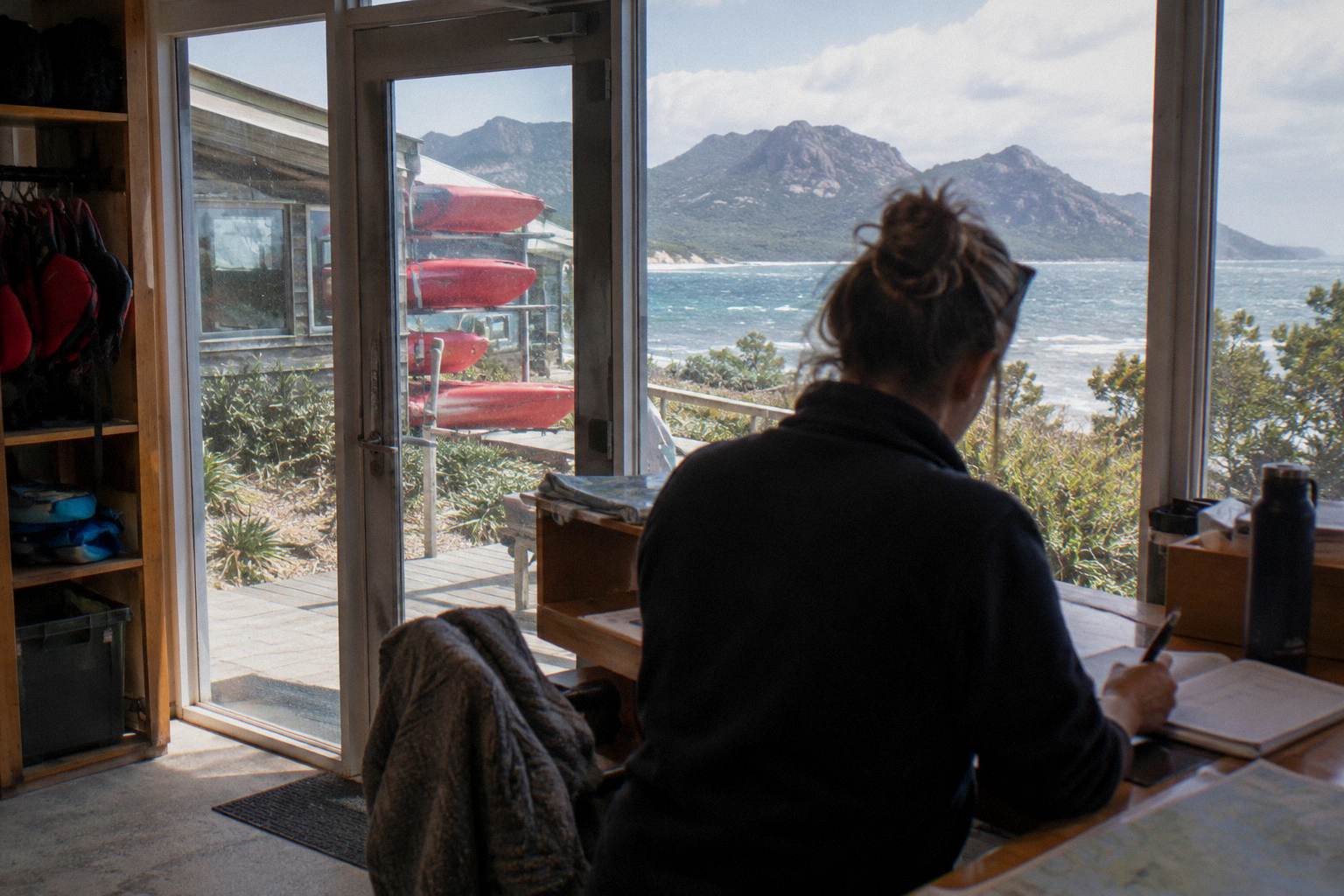
A practical checklist, drawn from what the pages state and what they leave open:
- Do you supply wetsuits or just warm jackets, and what do you recommend wearing in the month of the trip?
- What is the sea state forecast for the date, and how do you decide to cancel or reschedule?
- If a guest feels seasick partway through, what are the options from the halfway beach stop?
- Does the tour price include a national parks pass, or do guests need to buy one? The pages do not say either way for the kayak tour, so confirm rather than assume; pass prices are set by PWS, with a daily vehicle pass at AUD 49.15 covering up to 8 people, on the official park passes page.
- Is the meeting point Muirs Beach on the day, or the Coles Bay boat ramp? The operator and main booking page record Muirs Beach.
That last question is worth asking because the launch is weather-dependent in a documented way, and knowing where to go saves a stressed morning. The park context is worth a look too: Freycinet is Tasmania's oldest national park, reserved in 1916 alongside Mount Field, per the PWS Freycinet page, and the visitor centre in Coles Bay township opens daily from 9am to 4pm and sells park passes.
Common Mistakes When Booking A Freycinet Paddle You Are Nervous About
The most common mistakes nervous paddlers make are booking without disclosing seasickness or non-swimmer status, wearing shoes they expect to keep dry, assuming a wetsuit is included, and expecting the tour to reach Wineglass Bay, so raise these points when you book and confirm the route before you commit. Each one is avoidable with a single action: a message to the operator, a change of footwear, a question at booking, and a look at the route description. None of these facts is hidden; all of them are stated plainly by the operator or the booking page, and the trouble comes from assuming rather than reading, then arriving on the beach already committed to the wrong plan.
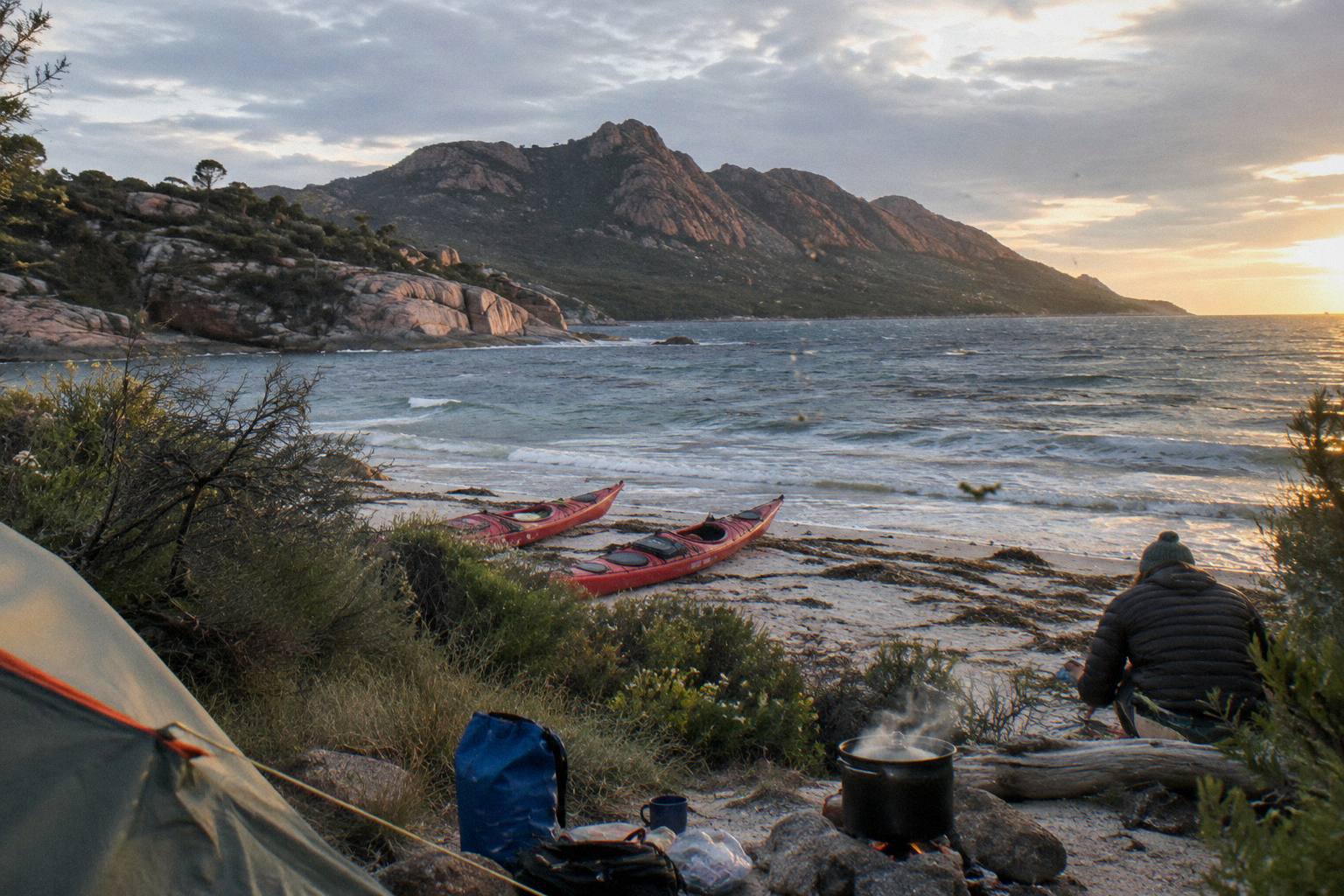
The biggest is the swim rule. The operator's FAQ is unambiguous: as a safety precaution, you need to be able to swim to take part. A traveller who books while quietly unable to swim has bought a problem, not a tour. The second is footwear: the operator states footwear will get wet, so anything you would be upset to soak is the wrong choice. The third is the wetsuit assumption, born of Tasmanian water's reputation; the operator names warm jackets, not wetsuits, so ask rather than presume. The fourth is geography: the paddle stays on Great Oyster Bay and does not reach Wineglass Bay or Schouten Island, so if Wineglass Bay itself is the goal, the cruise or the walk is the product that delivers it. The fifth is timing: departures are seasonal with no published timetable, and bookings close 3 hours before departure for the paddle, so confirm the session time with the operator rather than guessing. For a fuller comparison of how a guided tour stacks up against going it alone, see whether a guided Freycinet paddle is worth it, and the wider question of what a Freycinet kayak tour actually includes is covered in its own right.
Common Questions About Getting Wet On A Freycinet Kayak Tour
Will I Get Seasick Or Wet On A Freycinet Kayak Tour?
Wet: yes at the feet, per the operator's own note that footwear will get wet, with everything else down to conditions on the day. Seasick: no published source says, so tell the operator when booking and check with a doctor if you are prone to motion sickness.
Do The Kayaks Have Spray Protection?
The kayaks are sit-in tandem sea kayaks with a cockpit seat about 45 cm across, per the operator FAQ. No page describes spray covers or spray levels, so treat that as a question for the operator rather than a fact either way.
Are Wetsuits Provided?
No wetsuit is mentioned by the operator. Warm jackets are provided, per the booking page, and the operator suggests comfortable clothing and footwear that can get wet. If you want a wetsuit, ask the booking desk.
What Happens To My Phone And Camera?
Dry bags for phones and cameras are provided, per the booking page and the operator's bring list. A mobile phone in a waterproof pouch is also MAST's general recommendation for paddle craft.
Can The Tour Be Cancelled For Weather?
Yes. The operator says guides can cancel at any time for safety, and a weather cancellation means a full refund or a reschedule. Guest cancellations with 24 hours notice earn a refund.
Where Does The Tour Meet If The Weather Is Rough?
The operator and main booking page record Muirs Beach, Coles Bay, with free public parking and public toilets.