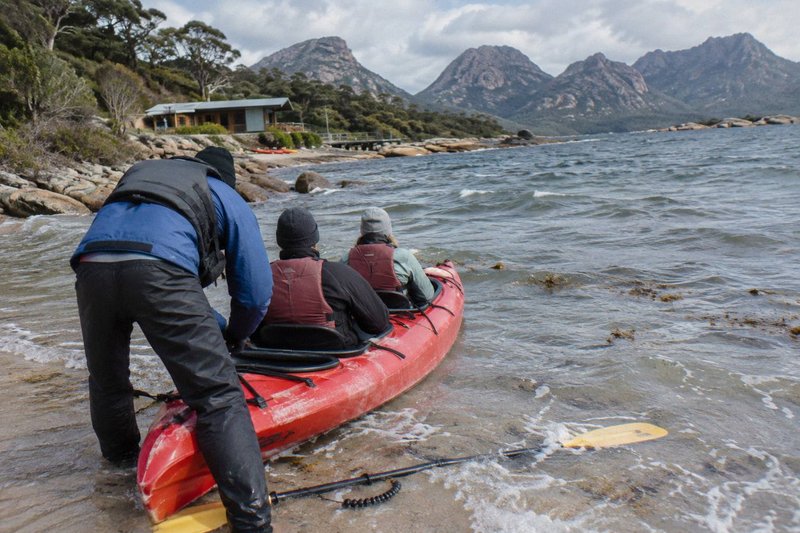
How Safe Is Sea Kayaking At Freycinet?
A plain-terms look at sea kayak safety at Freycinet: the operator's briefing and weather policy, the MAST paddle rules, PWS on Coles Bay's sheltered waters, and who the guided paddle suits.
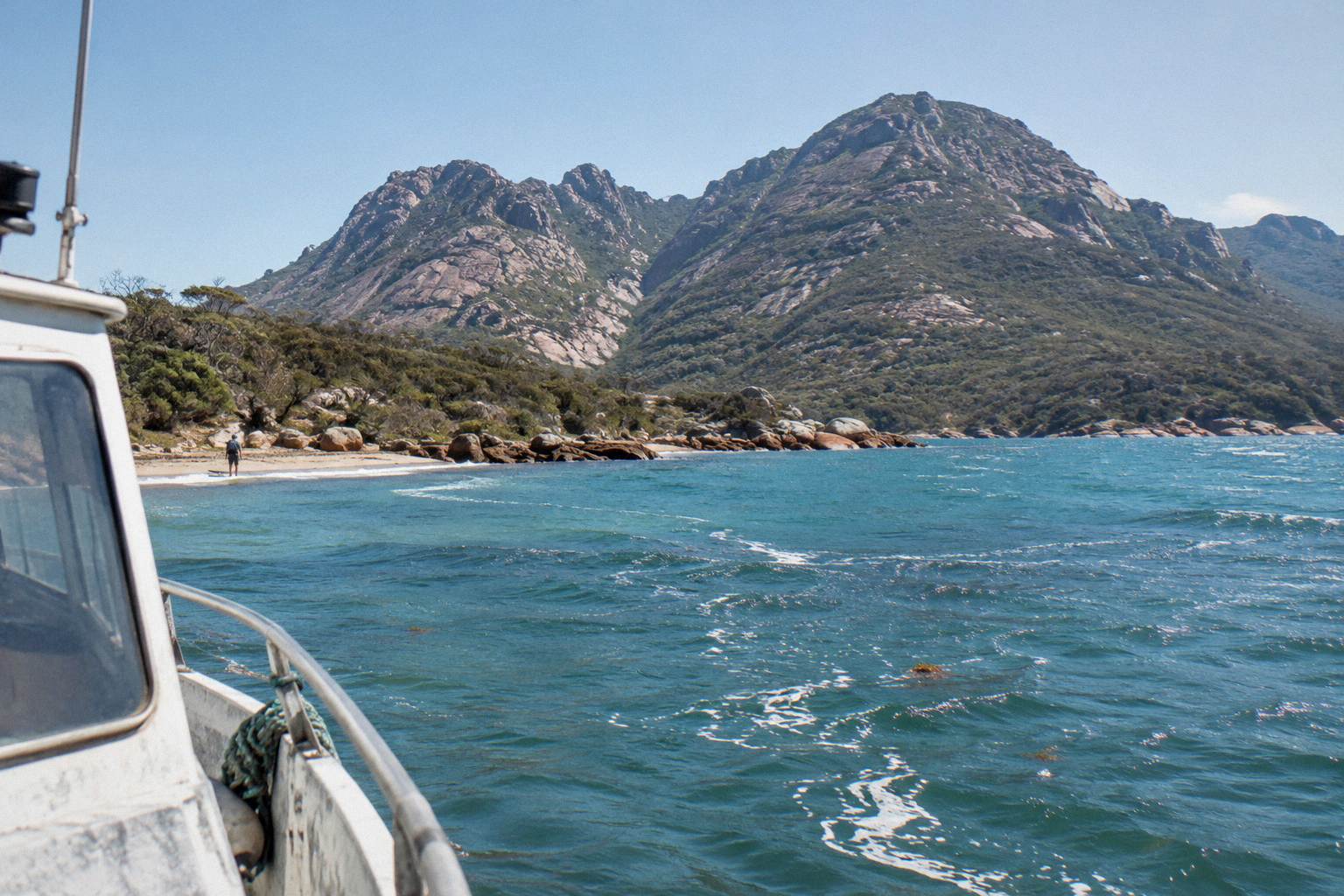
In short: Sea kayaking at Freycinet, on a guided tour, takes place on the relatively sheltered waters of Coles Bay, which the Tasmania Parks and Wildlife Service says allow for all experience levels. The operator runs a safety briefing before every departure, supplies all kayak equipment, and its guides can cancel any tour at any time for safety. No one can promise a safe day on the water, and nothing here is a guarantee, but the framework around the tour is well defined.
If the question behind your search is whether a nervous first-timer should book, the short version is that the official guidance points beginners toward guided tours specifically, the operator welcomes complete beginners, and there are clear, stated rules on who can come. The rest of the page works through each of those pieces in turn.
Guided sea kayaking at Freycinet sits at the gentle end of the sport. PWS describes Coles Bay's waters as relatively sheltered and suitable for all experience levels, operators run a safety briefing, supply equipment and paddle sit-in double kayaks in small groups, and can cancel departures for safety, though conditions, crew and your own honesty about swimming ability and fitness still matter on the day.
That is the honest framing, stated once: no operator or official page promises a safe day, and none of them guarantees conditions. What the sources do give you is a set of concrete, checkable facts, and those facts are what a cautious reader can actually use to decide.
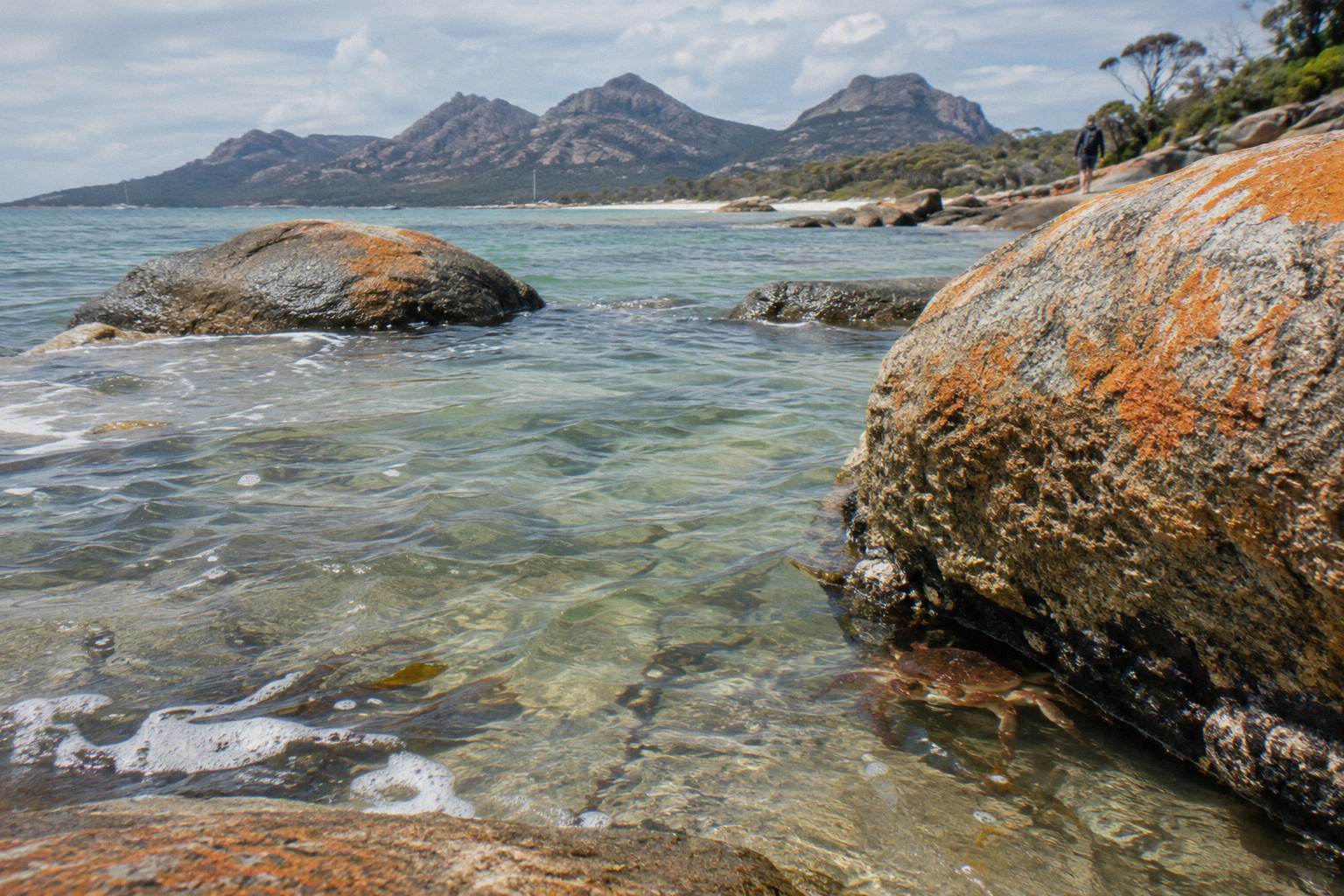
Start with the water itself. The Freycinet Paddle, the guided day tour run by Freycinet Adventures, departs from Muirs Beach at Coles Bay, on the Great Oyster Bay side of the peninsula. PWS, describing kayaking in the area, says the relatively sheltered waters of Coles Bay allow for all experience levels, and that tour companies in the area run a variety of sea kayaking experiences and are recommended if you are new to paddling. That is a government parks agency pointing beginners at exactly the kind of trip sold here. You can read the full wording on the PWS kayaking page.
Then there is the tour structure. The operator's own description of the day: a safety briefing first, then the paddle, with a half-way stop on a secluded sandy beach for coffee and a snack. Groups run from a minimum of 2 to a maximum of 16 people, and the kayaks are sit-in tandem sea kayaks, so a nervous paddler shares a boat with a partner, another guest or a guide. The operator says complete beginners are welcome, and its FAQ frames the fitness question plainly: the 3 hour tour includes about 2 hours of paddling cumulatively, with a rest break halfway, and if you are fit enough for a leisurely 2 hour recreation activity, it suits.
Finally, the escape hatches. Guides can cancel at any time for safety. A weather cancellation means a full refund or a reschedule. And if you cancel for your own reasons, the operator asks 24 hours notice for a refund. Those three policies do a lot of work for a cautious reader, because they mean the worst realistic outcome of booking is mostly a refund, not a bad morning on the water.
The comparison is worth making too. If your worry is the sea itself rather than the exercise, the Freycinet Kayaking pages cover the alternatives side by side: the paddle, the Wineglass Bay cruise and a walking tour all show you the same coastline at different levels of exposure.
For readers who want the fuller background before deciding, the guide to sheltered-water paddling for first-timers works through the beginner question in detail, and the piece on getting wet or seasick on the tour covers the discomfort worries separately.
What The Paddle Craft Rules Require On The Water
Marine and Safety Tasmania, the state boating regulator, makes a life jacket compulsory in a lightweight craft, which includes kayaks, and its rules scale equipment with distance offshore: a white strobe or all-round light lit between sunset and sunrise or in limited visibility, and a tether more than 200 metres offshore. On a guided tour the operator supplies the kayaking equipment, so just confirm what is provided and follow the guide's briefing.
The MAST rules are worth understanding even as a guided guest, because they explain why the tour is run the way it is. A life jacket is not optional in a kayak anywhere in Tasmania; MAST states it plainly for kayaks, canoes and stand-up paddle boards alike. The jacket levels follow the Australian standard AS 4758: Level 50 and 50S life jackets are acceptable for kayak operators in sheltered waters only, while Level 100 or 150 covers sheltered and open waters. Great Oyster Bay at Coles Bay is the sheltered end of the spectrum, which is consistent with where the tour paddles.
The equipment table from MAST's paddle page, in plain summary:
| MAST requirement | What it means for a kayak |
|---|---|
| Life jacket | Compulsory in a lightweight craft, which includes kayaks |
| White strobe or all-round light | Must be lit between sunset and sunrise and when visibility is limited |
| Tether | Mandatory when more than 200 m offshore |
| Other safety equipment (EPIRB, flares, EVDS) | Varies by water category; offshore requirements are heavier |
| Mobile phone in a waterproof pouch | Recommended by MAST |
MAST's own advice to paddlers is direct: never venture too far offshore, mind the tides and wind, and unless you are an experienced surf paddler, stay out of the surf. A guided tour in Coles Bay is structured to keep all three of those risks at arm's length: the guide chooses the route, the group stays together, and the operator states its launch and route on its own tour page. The full rules are on the MAST paddle craft page, and the life jacket rules on the MAST lifejackets page.
One distinction matters here. The rules above are written for people paddling their own craft. On a commercial tour, the operator carries the equipment obligation, and its pages say all kayaking equipment is provided for the tour. The pages read do not name life jackets item by item, so the practical step is a single question when booking: what safety gear is carried on the tour. That gap is for the operator to confirm.
How Weather Calls And Cancellations Work
Guides have full authority to cancel at any time for safety, and a weather cancellation means a full refund or a reschedule. In challenging wind the operator may contact guests beforehand and may require previous sea kayaking experience and moderate fitness; otherwise you receive a full refund or reschedule, while your own cancellation needs 24 hours notice, and the booking page shows free cancellation up to 24 hours before.
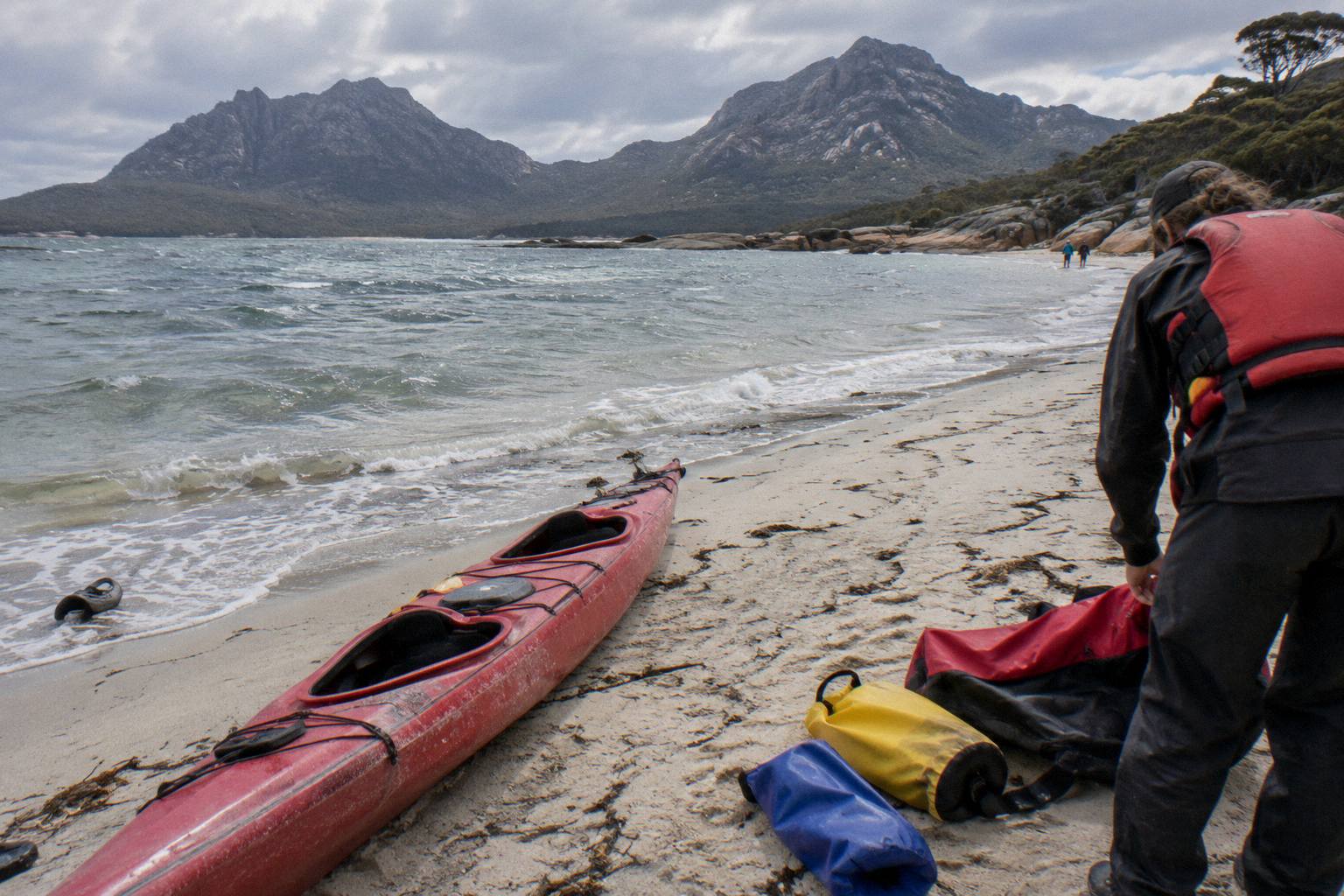
This is the part of the safety picture most readers underweight. The weather policy is not fine print; it is the main mechanism that keeps a sheltered-water tour sheltered. The operator does not run the trip regardless of conditions. Guides make the call, they make it on the day, and they can also make it in advance when the forecast is challenging. The booking page records the same policy in slightly different words, offering an alternative date or a full refund when the operator cancels for weather.
The wind clause deserves a careful read. In challenging wind, the operator may contact guests beforehand and may require previous sea kayaking experience and moderate fitness from anyone joining. That means a windy forecast can change who the tour accepts, not just whether it runs. If you are booking as a complete beginner and the forecast looks blowy, that is exactly the moment to raise your hand early rather than hope for the best at the beach.
The money side of cancellations, from the operator FAQ and the booking page:
| Scenario | What happens |
|---|---|
| Operator cancels for weather or safety | Full refund, or a reschedule to another date |
| Challenging wind, guest lacks experience or fitness | Full refund or reschedule |
| You cancel for your own reasons | Refund with 24 hours notice; the booking page says free cancellation up to 24 hours before |
| Online booking cut-off | Operator's own bookings close 3 hours before departure for The Freycinet Paddle |
No wind speeds, swell heights or cancellation rates appear in any of the sources, so none can be honestly summarised here. What you can rely on is the shape of the policy: the operator absorbs the weather risk, and your only exposure is the 24 hour window on your own cancellation.
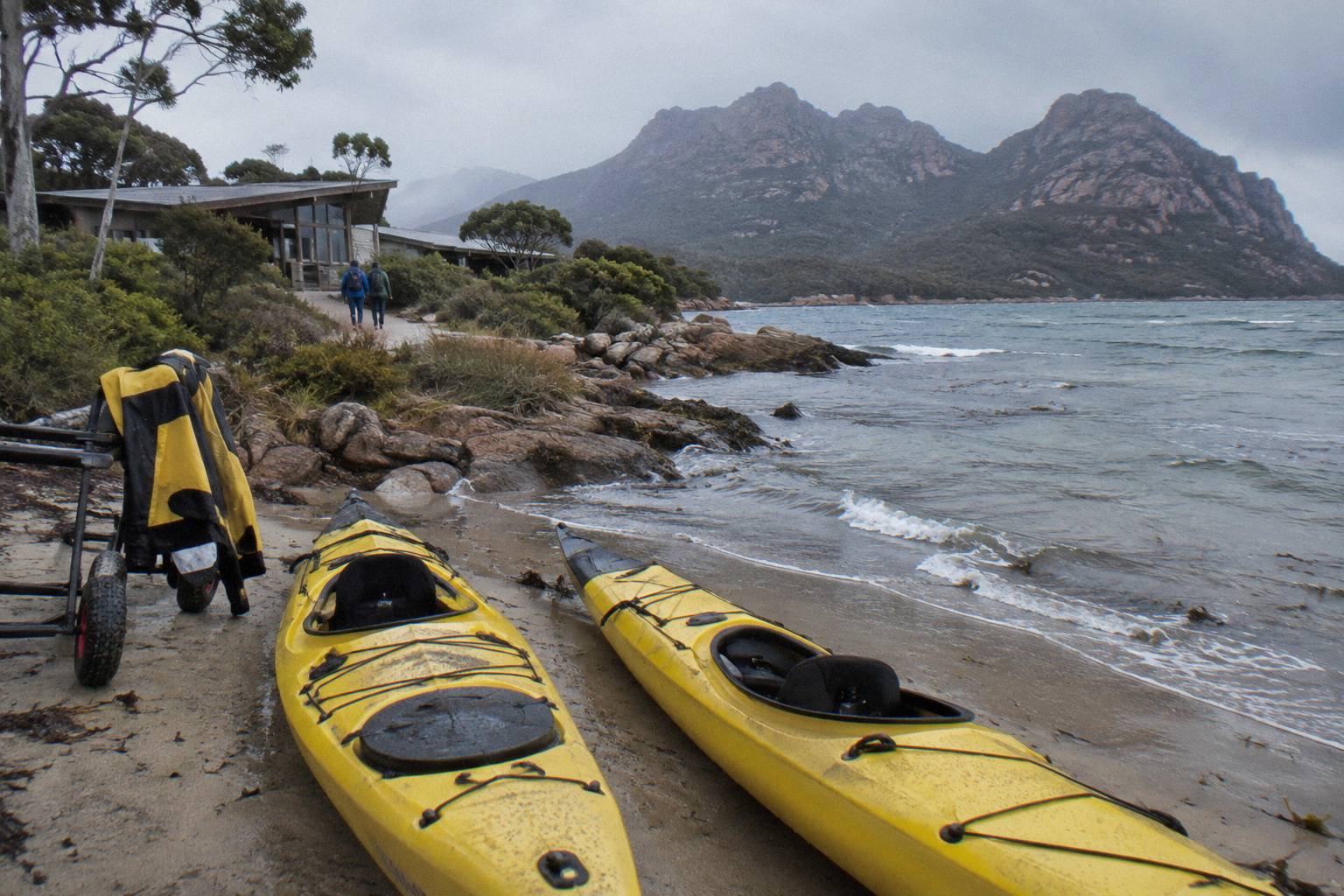
Weather judgment before you travel is worth a paragraph of its own, and the guide to Freycinet weather for kayaking takes that question in full.
For a cautious reader, the cancellation policy is the single strongest argument for booking a guided paddle over going alone: the same weather that would strand an independent paddler with a hard decision simply produces a refund or a new date here.
Who The Guided Paddle Suits: Swim Rule, Age And Body Size
This paddle suits anyone able to swim from age 7 upward, provided children are happy to sit still for 2 to 3 hours, with guests under 16 paddling alongside an accompanying adult. Complete beginners are welcome, and solo travellers paddle with another guest or a guide. The sit-in cockpit seat is about 45 cm across, fitting people up to 195 cm and roughly 120 kg, and guides may decline anyone whose body size does not fit.
Take the swim rule first, because it is the one that surprises people. The operator's FAQ states it without hedging: as a safety precaution, you need to be able to swim to take part in the tours. This is the operator's own rule for its own tours, not a general law of Tasmanian kayaking. If swimming is a genuine problem for you, the honest answer is that the kayak tour is not the right pick, and the Wineglass Bay cruise, which boards at 61 Jetty Rd, Coles Bay, shows you the same coastline from a vessel instead.
Age and supervision rules are equally concrete. Children from 7 can join, and the operator's benchmark is a child happy to sit still for the length of the tour. Under 7 is not accommodated at all. Every guest under 16 needs an accompanying adult, and adult pricing applies from 16. These numbers belong to this operator only; nothing here generalises to other Tasmanian tours.
Body size is stated with unusual openness. The kayaks are sit-in tandem sea kayaks, not sit-on-tops, and the cockpit seat measures about 45 cm across. The operator says the boats suit people up to 195 cm and approximately 120 kg, and that guides may decline a guest whose body size does not fit the kayak. If that describes someone in your group, tell the operator when booking rather than discovering it on the sand.
Fitness, in the operator's own framing, is modest: about 2 hours of paddling cumulatively across a 3 hour tour, with a rest break halfway, and the benchmark of being fit enough for a leisurely 2 hour recreation activity. The booking page asks for a moderate fitness level and notes the tour is not wheelchair accessible. For health questions beyond that, the right advice is the plain kind: check with your doctor and tell the operator when you book.
The suitability rules in one grid, all attributed to the operator FAQ and tour page:
| Requirement | The operator's rule |
|---|---|
| Swimming | You need to be able to swim to take part |
| Minimum age | Children from 7, happy to sit still for 2 to 3 hours; under 7 not accommodated |
| Supervision | Everyone under 16 needs an accompanying adult |
| Fitness | About 2 hours of cumulative paddling; leisurely 2 hour recreation benchmark |
| Body size | Cockpit seat about 45 cm across; suits up to 195 cm and approx 120 kg |
| Solo travellers | Paddle with another guest or a guide |
| Experience | Complete beginners welcome |
Wildlife, Distances And What You May Not Do
Tasmania's guidelines require vessels to keep 100 metres from whales and 50 metres from dolphins, rising to 300 and 150 metres under steam, with a three-vessel limit in the caution zone, slow no-wake speed, and no touching or feeding; boats must stay 100 metres from seal colonies in November and December, when pups are born, and 50 metres at other times. Whether a kayak counts is unstated, so follow your guide's direction and never approach any animal.
Wildlife is the part of a Freycinet paddle people most look forward to, and the operator's own wording is deliberately modest: sting rays, white bellied sea eagles, and even larger marine species like dolphins, whales and fur seals on occasion. On occasion is the operator's qualifier, and it stays. No operator page claims dolphin frequency, and no sighting of anything is promised. The day paddle takes place in Great Oyster Bay; the operator and PWS both place whale sightings more on the eastern, Tasman Sea side of the peninsula during migration, so whales are not implied on the day tour. Other pages covering the same trip are gathered on Freycinet Kayaking.
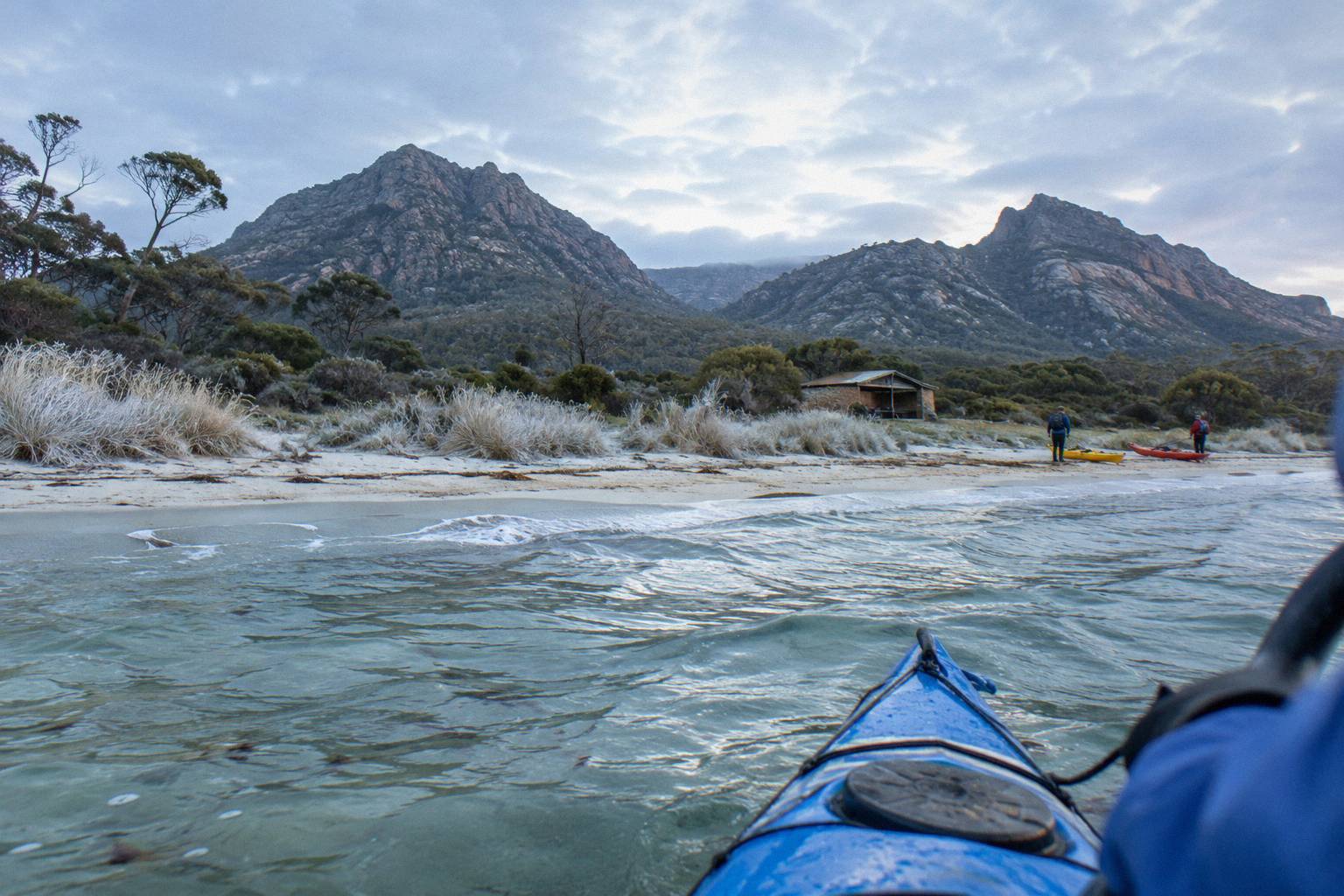
The approach distances come from the NRE Tasmania guidelines. For whales and dolphins: the guideline for vessels sets 100 m for whales and 50 m for dolphins, 300 m and 150 m under steam, a three-vessel limit in the caution zone, slow no-wake speed, no approaching from in front or behind, and no touching or feeding. For seals, the seal watching guidelines set 100 m from a colony in November and December during pupping, 50 m at other times, under 10 knots within 200 m and 5 knots within 100 m.
On land, PWS asks visitors to keep 2 metres from native animals and not to feed wildlife. In the national park, drones are not permitted, and the park's beaches are unpatrolled with hazardous cliffs, so children need supervision outside the tour too. None of this is onerous; it amounts to watching rather than chasing, which is also what a guide will direct anyway.
PWS records that the waters around the park are regularly visited by whales, particularly humpbacks, during the winter months, and that seals may be spotted resting on rocks. For a kayaker, the practical rule is simpler than the number table: the guide sets the distance, the animals decide whether to appear, and neither is negotiable.
A Checklist Of Questions For The Booking Desk
Before paying, ask the booking desk five questions: what safety equipment the tour carries, whether a parks pass is required for the launch at Muirs Beach, what happens on your date if wind is forecast, whether body-size or swim rules affect anyone in your group, and how close to departure you can still change your mind. Public sources answer each partially, and the desk can close the rest in about two minutes.
Work through them. First, equipment: the operator says all kayaking equipment is provided, and MAST makes life jackets compulsory, so ask the desk to confirm jackets specifically. Second, the park pass: the operator's walking tour page states a pass is required and not included for that tour, but the kayak pages do not say either way, so confirm rather than assume; pass prices are set by PWS, with a daily vehicle pass at AUD 49.15 and per-person options for those arriving without a car, all listed on the PWS pass page.
Third, wind: if the forecast for your date looks challenging, say so when booking, because the operator's policy may then require previous experience or moderate fitness from you. Fourth, suitability: the swim rule, the age floor of 7, the 195 cm and 120 kg guidance and the 45 cm cockpit are all published, so raise anything that touches your group directly. Fifth, flexibility: the operator's own bookings close 3 hours before departure, and the 24 hour cancellation window is the boundary between a refund and not.
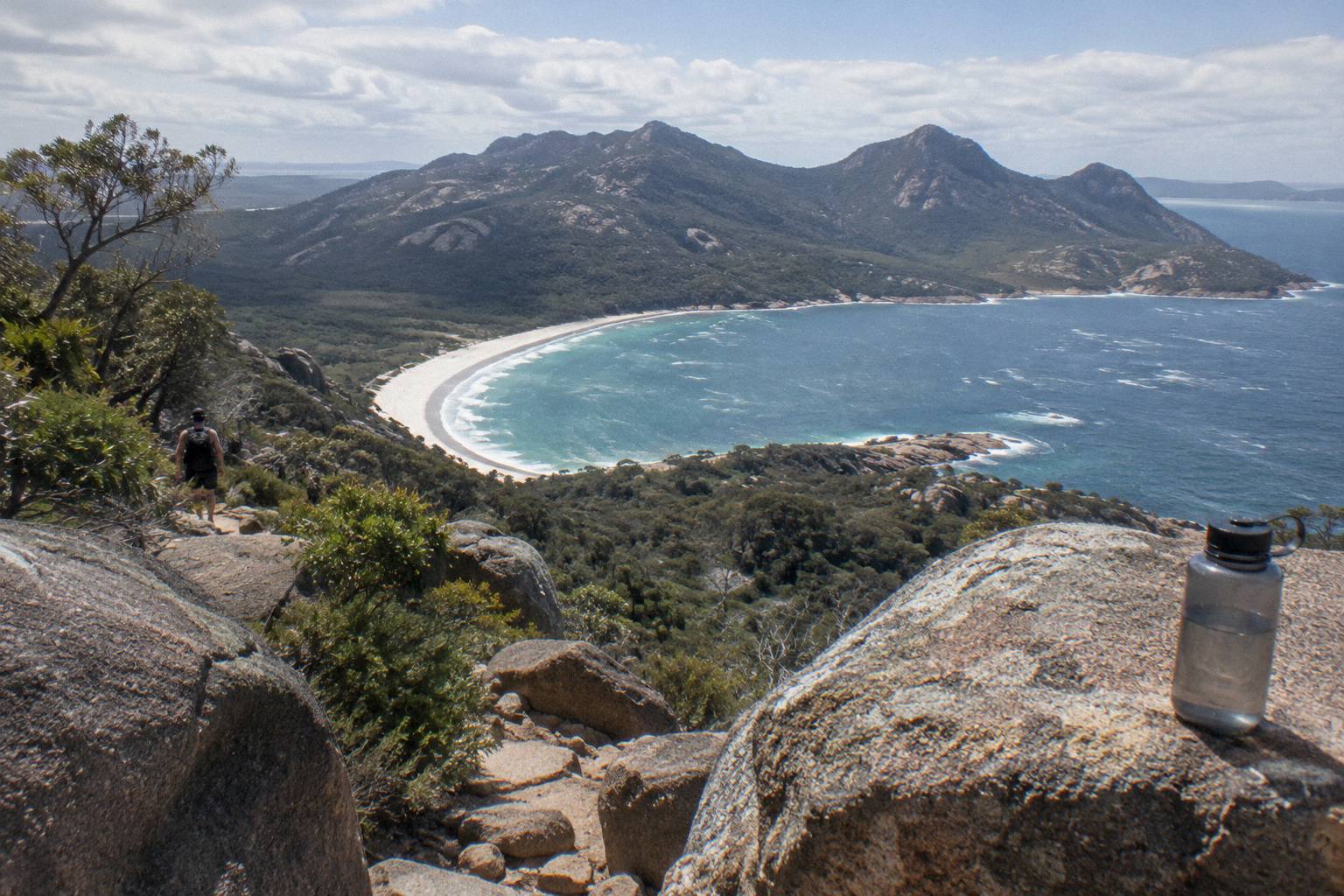
Beyond the questions, a little timing logic helps. The tour runs year round with seasonal departure times, and no timetable is published, so the desk is also the source for your date's session. If you are driving in, PWS puts the park about 2.5 to 3 hours from either Launceston or Hobart, which shapes how early you must leave to make a morning departure comfortably.
Choosing By Traveller Type: Paddle, Cruise Or Walk
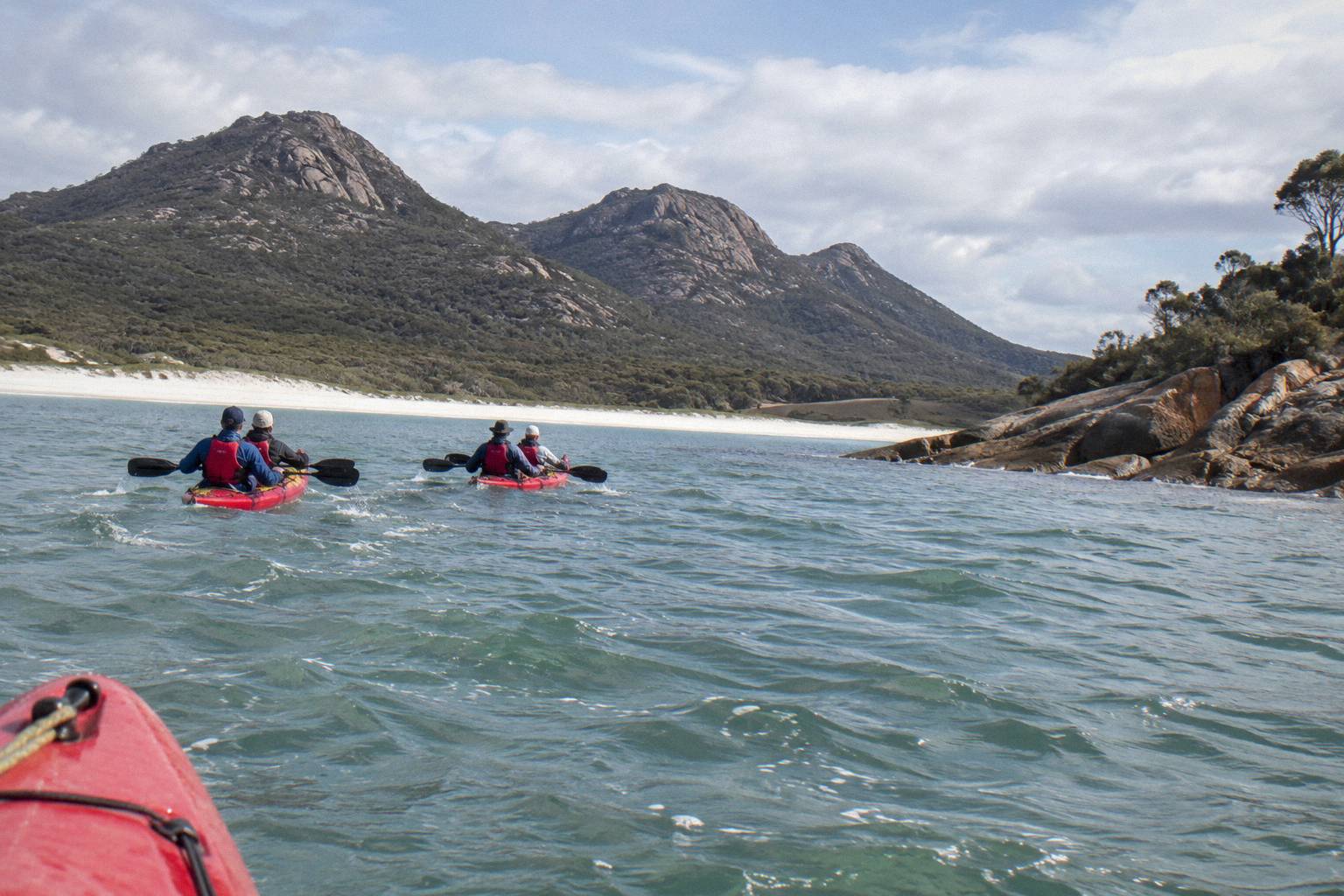
Match the trip to the traveller. A cautious first-timer who can swim and wants the water-level experience fits the guided paddle, which welcomes complete beginners on sheltered water with a briefing and a guide in the group; anyone who cannot swim or sits outside the stated cockpit limits suits the roughly 4 hour 30 minute Wineglass Bay cruise boarding at Coles Bay, while a visitor who prefers solid ground belongs on the Freycinet walking tour.
Run the comparison honestly. The Freycinet Paddle is a 3 hour tour with about 2 hours of cumulative paddling, launching from Muirs Beach, rated 4.8 across more than 1,000 reviews, with a from price of A$155 per person. The Wineglass Bay cruise is about 4 hours 30 minutes, boards at 61 Jetty Rd, Coles Bay, and is rated 4.7 across more than 1,000 reviews; its price is on the booking page. The Freycinet walking tour carries no published figures for duration, price or operator, so it is chosen on format alone: land, legs and a guide.
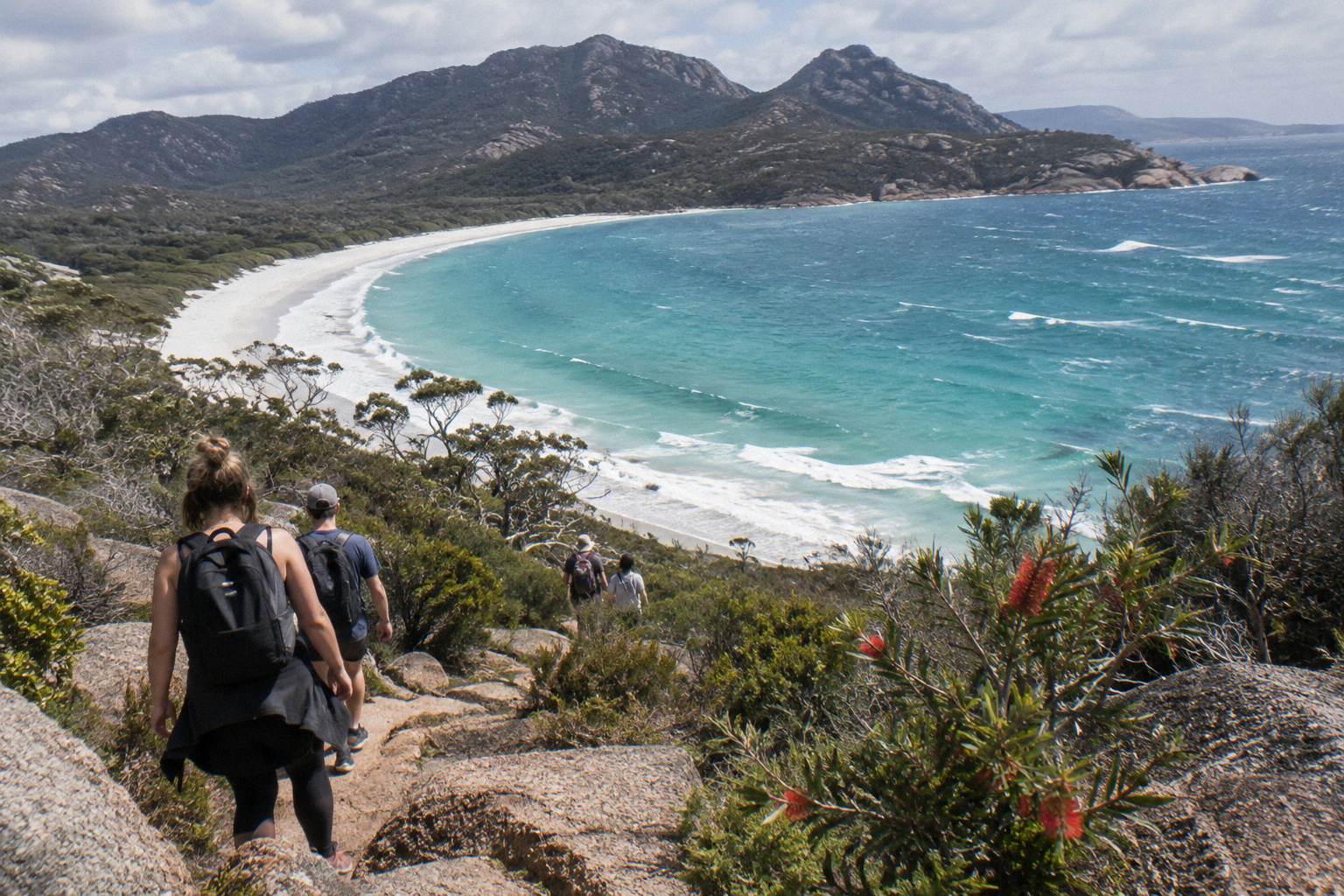
The safety angle of the choice is really an exposure question. All three see the same park. The paddle puts you on sheltered bay water in a guided group with a briefing, a swim requirement and a body-size limit. The cruise puts you on a motor vessel with none of those personal requirements stated. The walk puts you on a track, where PWS grades the Wineglass Bay Lookout return at Grade 3 over 6 km. None of the three promises wildlife or weather; each simply carries a different kind of physical demand.
For families, the age rules decide it: from 7 on the water with an adult for every under-16, or the cruise or walk where no age floor is published. For solo travellers, the paddle works, and the operator pairs solo guests with another guest or a guide, which is itself a comfort on a first trip. For anyone with a health question hanging over the decision, the answer is the same across all three: check with your doctor, then tell the operator when booking.
If your hesitation is about the water rather than the activity, the cruise answer is explored fully in the guide to Wineglass Bay by kayak, cruise or walk, which runs the three formats side by side against the same decision.
Common Mistakes When Judging A Freycinet Paddle
The mistakes to avoid are assuming the swim rule does not apply to you, booking a child under 7, ignoring the sit-in cockpit's stated size limits, failing to confirm the Muirs Beach meeting point, assuming the park pass is included, and treating a wildlife mention as a promise. All stem from skipping the operator's FAQ and forgetting that guides hold cancellation authority on the day.
The swim rule catches the most people. The operator states it as a safety precaution for its tours, and no amount of confidence in a life jacket changes it; the cruise exists for exactly that reader. The age floor is the second: under 7 is not accommodated, and every under-16 needs an adult in the booking, so a family plan that skips that check fails at the beach.
The cockpit is the third. These are sit-in tandem sea kayaks with a seat about 45 cm across, suited to people up to 195 cm and approximately 120 kg, and guides may decline a guest whose body size does not fit. That is a stated, published limit, not a judgment call to argue on the sand.
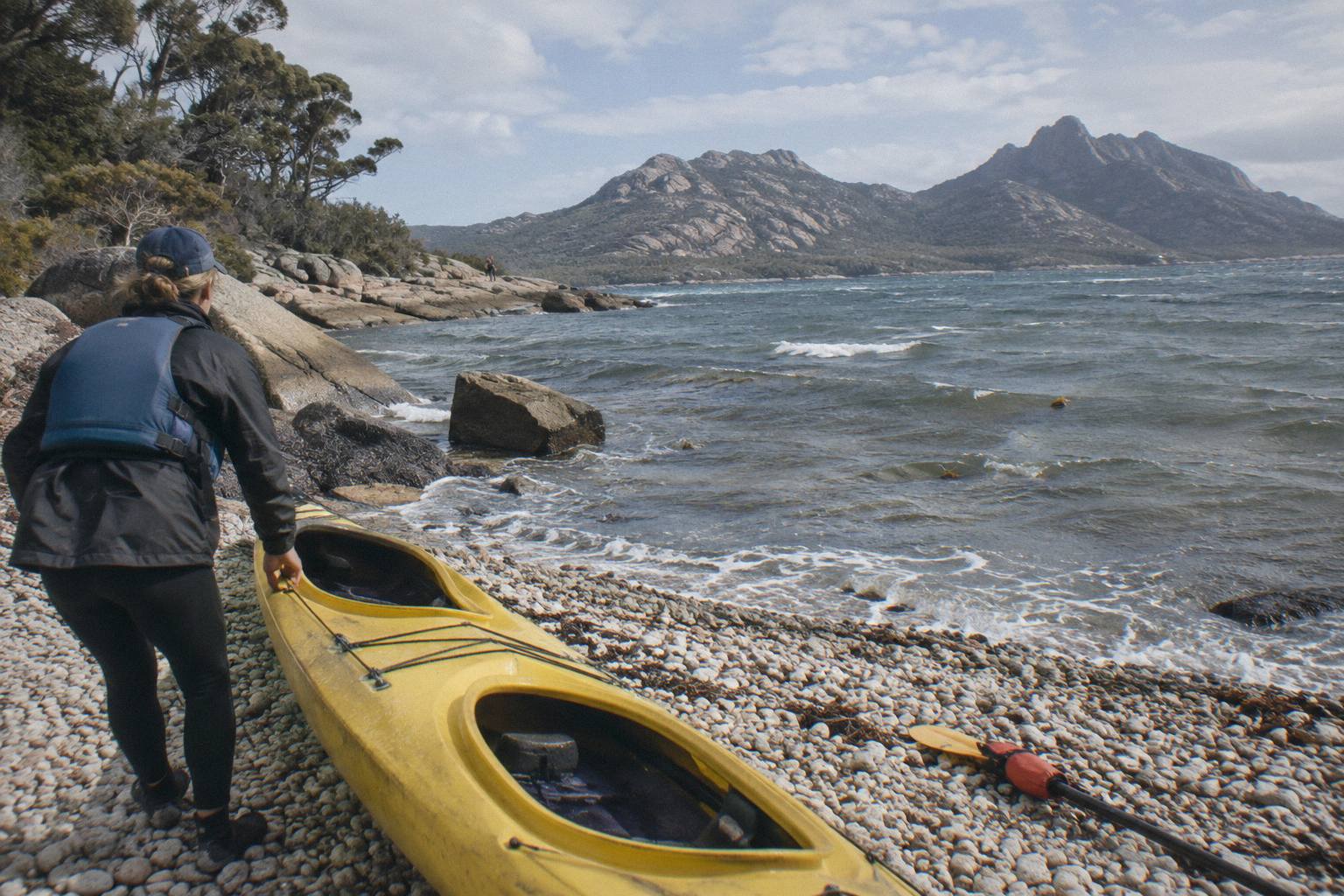
The fourth is logistics. The tour departs from Muirs Beach, Coles Bay, with free public parking and public toilets; the meeting point and parking question is covered in full elsewhere. Confirm the point when you book and again the day before in bad weather. The fifth is the pass: never assume either way, ask the desk. The sixth is expectations: dolphins, whales and fur seals appear on occasion, in the operator's words, and no booking anywhere guarantees an animal.
The tour itself, The Freycinet Paddle, is the one guided kayak day trip sold here, and check availability against your dates before locking in the drive.
Common Questions About Sea Kayaking Safety At Freycinet
How Safe Is Sea Kayaking At Freycinet?
PWS describes Coles Bay's waters as relatively sheltered and suitable for all experience levels, and recommends guided tour companies for people new to paddling. The operator runs a safety briefing, supplies the equipment and can cancel any departure for safety, with a full refund or reschedule if it does. No source promises a safe day or guarantees conditions.
Do I Need To Be Able To Swim To Sea Kayak At Freycinet?
Yes, for the guided tour. The operator's FAQ states it as a safety precaution: you need to be able to swim to take part in its tours. Travellers who cannot swim are better matched to the Wineglass Bay cruise, which boards at Coles Bay and runs about 4 hours 30 minutes.
Is A Life Jacket Compulsory For Kayaking In Tasmania?
Yes. Marine and Safety Tasmania states a life jacket is compulsory in a lightweight craft, which includes kayaks, canoes and stand-up paddle boards. Jacket levels follow AS 4758, with Level 50 and 50S accepted for kayak operators in sheltered waters only. On a guided tour the operator supplies the kayaking equipment.
Can The Tour Be Cancelled For Weather?
Yes, at any time, for safety. A weather cancellation brings a full refund or a reschedule. In challenging wind the operator may contact guests beforehand and may require previous sea kayaking experience and moderate fitness; otherwise the guest receives a full refund or a reschedule.
How Close Can You Get To Whales, Dolphins And Seals?
The NRE Tasmania guideline for vessels sets 100 m from whales and 50 m from dolphins, rising to 300 m and 150 m for a vessel under steam, with a maximum of three vessels in the caution zone. Boats must keep 100 m from a seal colony in November and December and 50 m at other times. The page does not name kayaks, so follow the guide's direction and never approach an animal.
Is Freycinet Kayaking Suitable For Beginners And Children?
The operator welcomes complete beginners, and PWS recommends guided tours for new paddlers on Coles Bay's sheltered waters. Children from 7 can join if they are happy to sit still for 2 to 3 hours, under 7 is not accommodated, and everyone under 16 needs an accompanying adult. The fitness benchmark is a leisurely 2 hour recreation activity, with about 2 hours of cumulative paddling across the 3 hour tour.