How Fit Do You Need To Be For A Freycinet Kayak Tour?
The Freycinet Paddle asks for about 2 hours of cumulative paddling and a moderate fitness level. Here is exactly who the operator says the tour suits, and who should think twice.
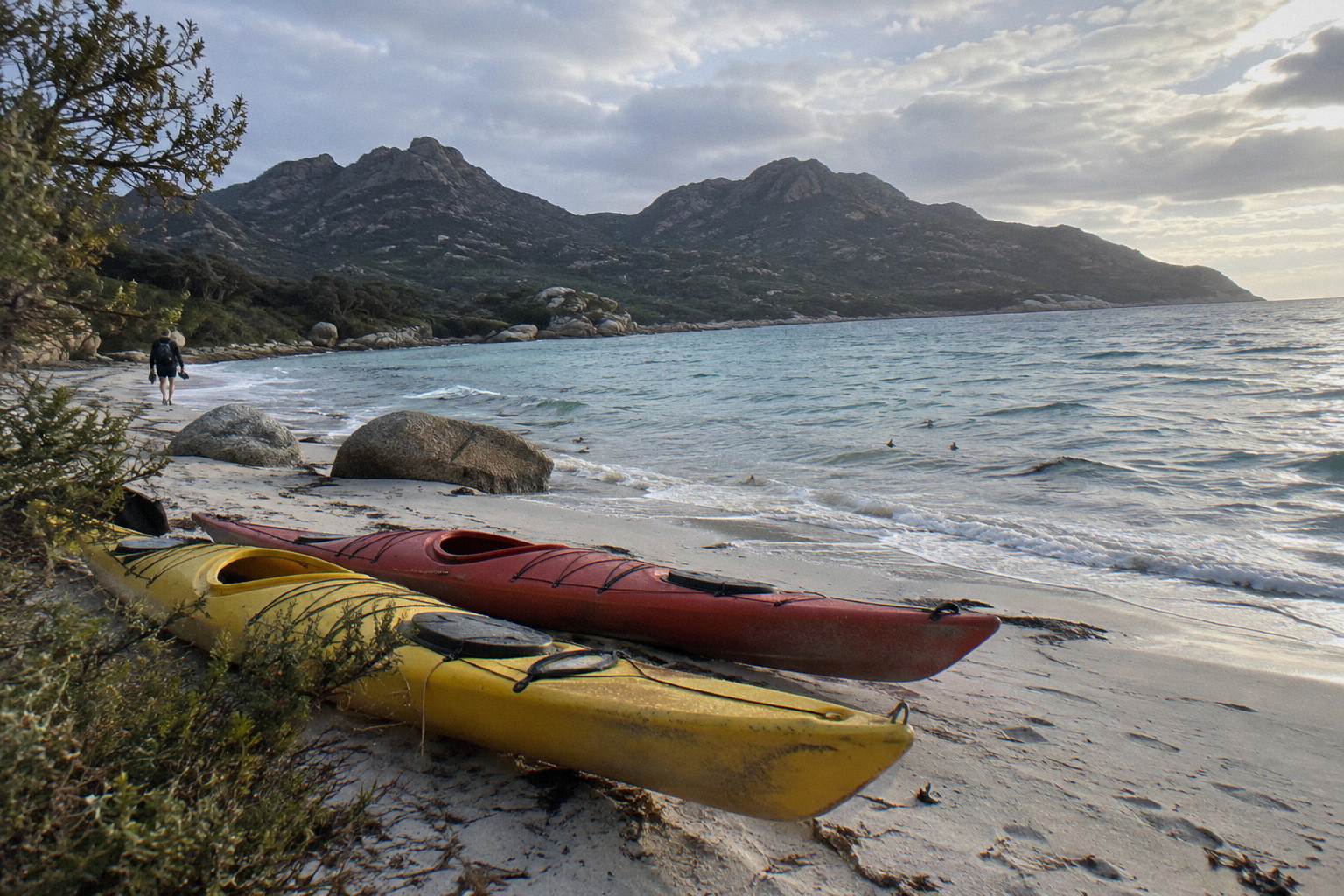
In short: You need the fitness for a leisurely 2 hour recreation activity, no more. The Freycinet Paddle lasts 3 hours, but the operator's FAQ says it includes about 2 hours of paddling cumulatively, with a rest break halfway on a beach. Complete beginners are welcome, guests must be able to swim, and children from 7 who can sit happily for 2 to 3 hours can join with an adult. The booking page asks for a moderate fitness level.
Start with the tour itself: The Freycinet Paddle tour page has the full details, and you can check availability once you know it suits you.
For the broader picture of Coles Bay kayak tour options, the paddle is the only guided kayak day tour on offer, which makes its fitness bar the one that matters.
| Requirement | What the operator says |
|---|---|
| Overall standard | Fit enough for a leisurely 2 hour recreation activity |
| Total duration | 3 hours, with about 2 hours of paddling cumulatively |
| Rest | A rest break halfway, on a secluded sandy beach |
| Experience | Complete beginners welcome |
| Swimming | Guests need to be able to swim |
| Minimum age | Children from 7, who are happy to sit still for 2 to 3 hours |
| Booking page fitness note | Moderate fitness level |
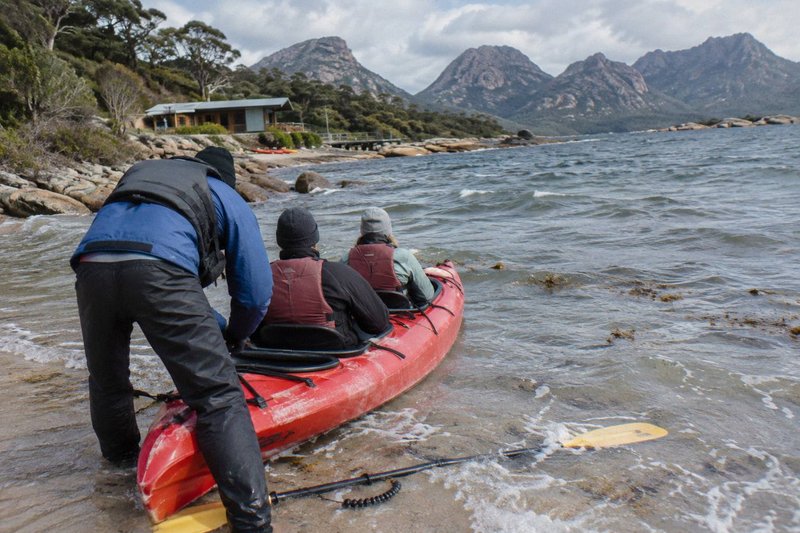
You need everyday fitness, not athlete fitness: the operator's bar is whether you are fit enough for a leisurely two hour recreation activity, and the tour is built around that, with complete beginners explicitly welcome. Across a three hour session you paddle for about two hours in total, after a safety briefing, with a halfway rest break on a beach for a hot drink and a snack.
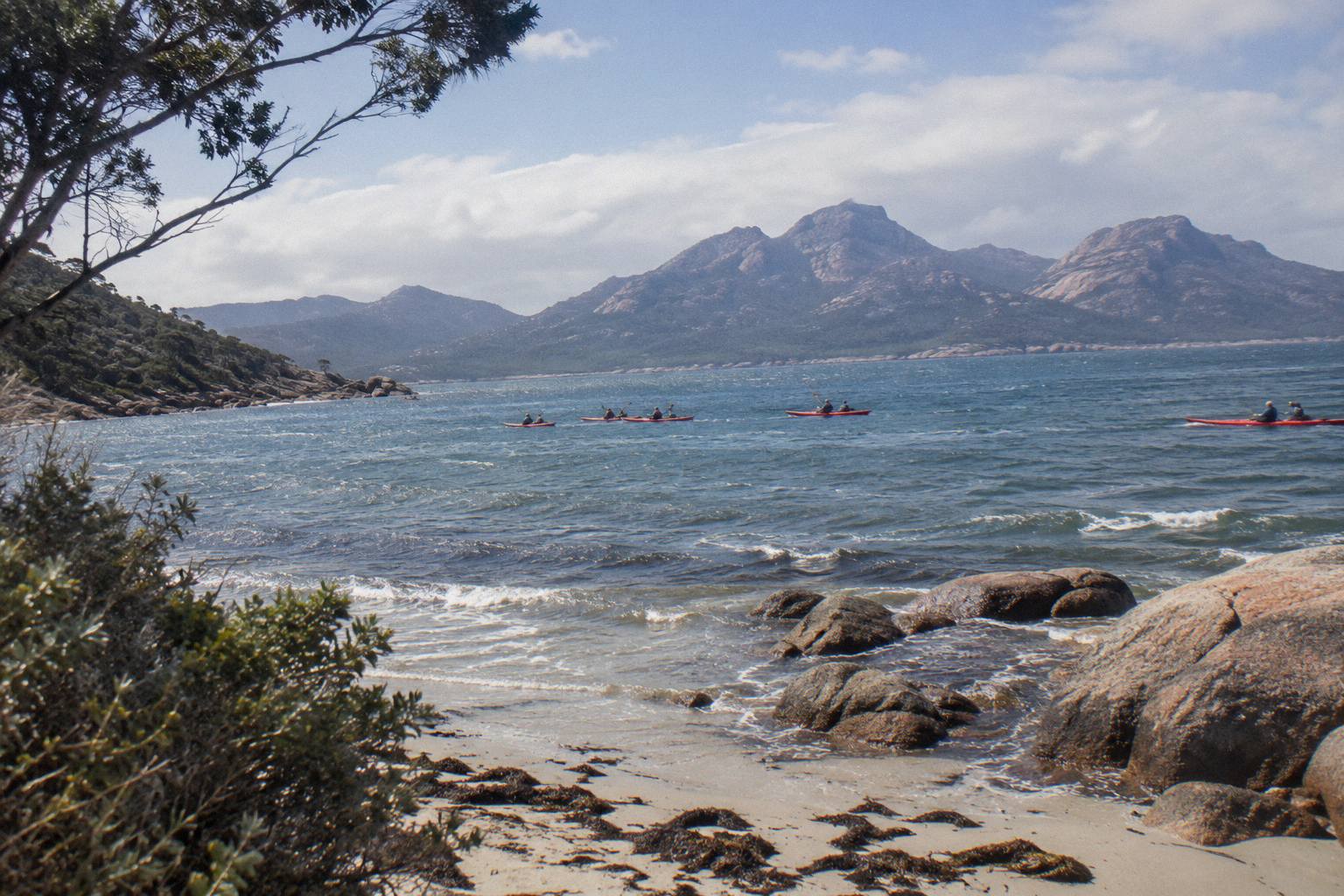
The question behind most fitness worries is simpler than it looks. A tandem double kayak with a guide setting the pace is a different experience from sprinting a single across open water. The Freycinet Paddle uses sit-in tandem sea kayaks, so the load is shared: two people per boat, and solo guests paddle with another guest or a guide. That halves the effort each person puts in compared with a single kayak, and the guide can adjust the route to the group on the day.
The pacing also matters. The operator's FAQ describes the paddling as cumulative, about 2 hours across the whole 3 hour session rather than 2 hours non-stop. There is a halfway stop on a secluded sandy beach where the operator serves freshly brewed coffee or a hot drink and a snack, which the booking page describes as a gourmet cookie. Feet on sand, a warm drink, and then the return leg.
Who does that leave out? Honestly stated, from the operator's own requirements: anyone who cannot swim, children under 7, and anyone whose health makes a leisurely 2 hour activity a medical question. For that last group the answer is not a fitness statistic, it is a conversation: check with your doctor, and tell the operator when you book so the guides can plan around it.
What Does 2 Hours Of Paddling Actually Feel Like?
In effort terms, the operator compares it to a leisurely 2 hour recreation activity, which sits somewhere between a long beach walk and a slow bike ride. You paddle in bursts, rest on the water between them, then stop completely at the halfway beach. The cumulative figure means the actual moving time is broken up by the briefing, the beach stop and any floating breaks the guide allows. It is steady, not strenuous.
The mechanics work in your favour. Tandem kayaks track straight with less corrective steering than a single, and with two paddlers the boat moves at a cruising rhythm rather than requiring constant effort from one person. Guests who have never held a paddle get a briefing first, covering the strokes, the seating position and what to do if the boat wobbles. The operator's wording is that the tour suits anyone fit enough for that leisurely 2 hour benchmark, and that beginners are welcome.
Weather changes the equation, and the operator is direct about that. In challenging wind the operator may contact guests beforehand and may require previous sea kayaking experience and moderate fitness, otherwise offering a full refund or a reschedule. So the fitness bar can rise on a windy day, but the exit is fair: you are not locked into conditions you did not sign up for. That policy is on the operator's FAQ page alongside the swim rule and the age rules.
The distinction between paddling time and tour time is worth repeating because it is where most anxiety comes from. Three hours sounds like a lot if you imagine three hours of continuous work. It is not that. The session is 3 hours door to water and back, of which about 2 hours is paddling, cumulative, with a rest break halfway.
Do You Need Kayak Experience Or Upper Body Strength?
No experience is needed, and upper body strength is less important than people expect. The operator welcomes complete beginners, the boats are stable sit-in doubles rather than twitchy singles, and the guide briefs every group before launch. Paddling a tandem is a rhythm skill more than a strength skill: legs and torso do much of the work, and the shared load means neither paddler carries the boat alone.
If you are weighing the guided tour against going alone, the numbers favour the tour for a first timer. Paddle craft rules in Tasmania, set by Marine and Safety Tasmania, make a life jacket compulsory in a lightweight craft, which includes kayaks, and the lightweight craft rules add a white all-round or strobe light and a tether when more than 200 m offshore, with other equipment varying by water category. A guided tour supplies the kayaking equipment, so the compliance question is handled by the operator rather than by you.
MAST's own advice for independent paddlers is telling: never venture too far offshore, mind tides and wind, and unless you are an experienced surf paddler, stay out of the surf. A guided tour inside Great Oyster Bay keeps you well inside those limits with a guide who reads the conditions. The deeper comparison lives in the guided paddle versus kayak hire question, but the short version is that guidance removes both the equipment burden and the judgement calls.
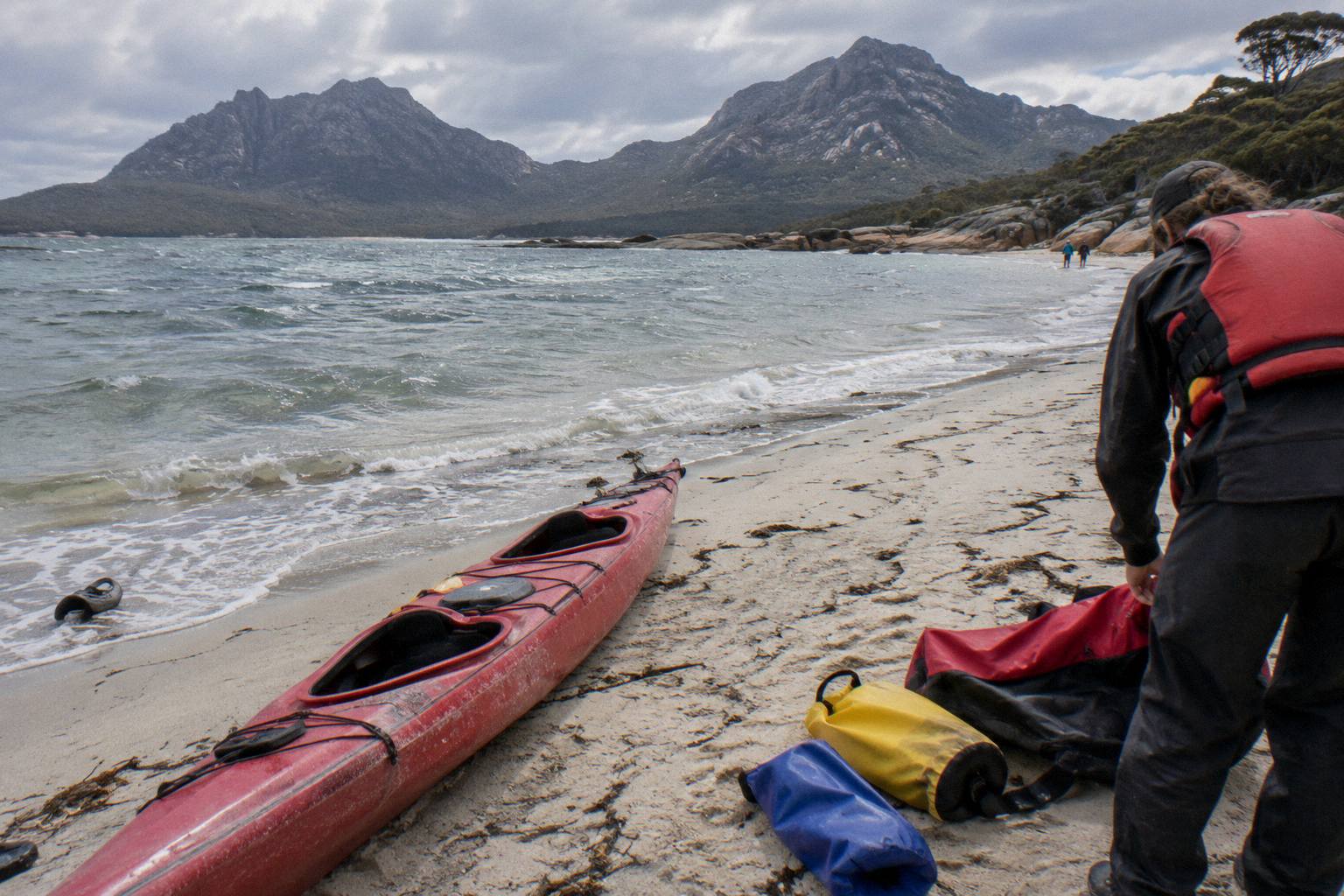
One honest limit on the equipment front: the operator's pages say all kayaking equipment is provided, and life jackets follow the same principle even though the pages read do not name them explicitly. If a specific piece of gear matters to you, ask when booking. For what the ticket covers end to end, see what a Freycinet kayak tour includes.
Who The Operator Says The Tour Suits, And Who It Does Not
The operator's own suitability list is specific: children from 7 who are happy to sit still for 2 to 3 hours, with everyone under 16 accompanied by an adult; adult pricing applies from 16; guests who can swim; anyone up to 195 cm and approximately 120 kg, because the sit-in cockpit seat is about 45 cm across. Guides may decline a guest whose body size does not fit the kayaks. Under 7 is not accommodated at all.
These are the operator's rules for the operator's tour, not a general standard for Tasmanian kayaking. Each one answers a real question travellers ask. The swim rule comes straight from the FAQ: as a safety precaution, you need to be able to swim to take part. The age rule is about attention span as much as arms: a 7 year old who can sit contentedly for the session fits; the operator says younger children are not accommodated.
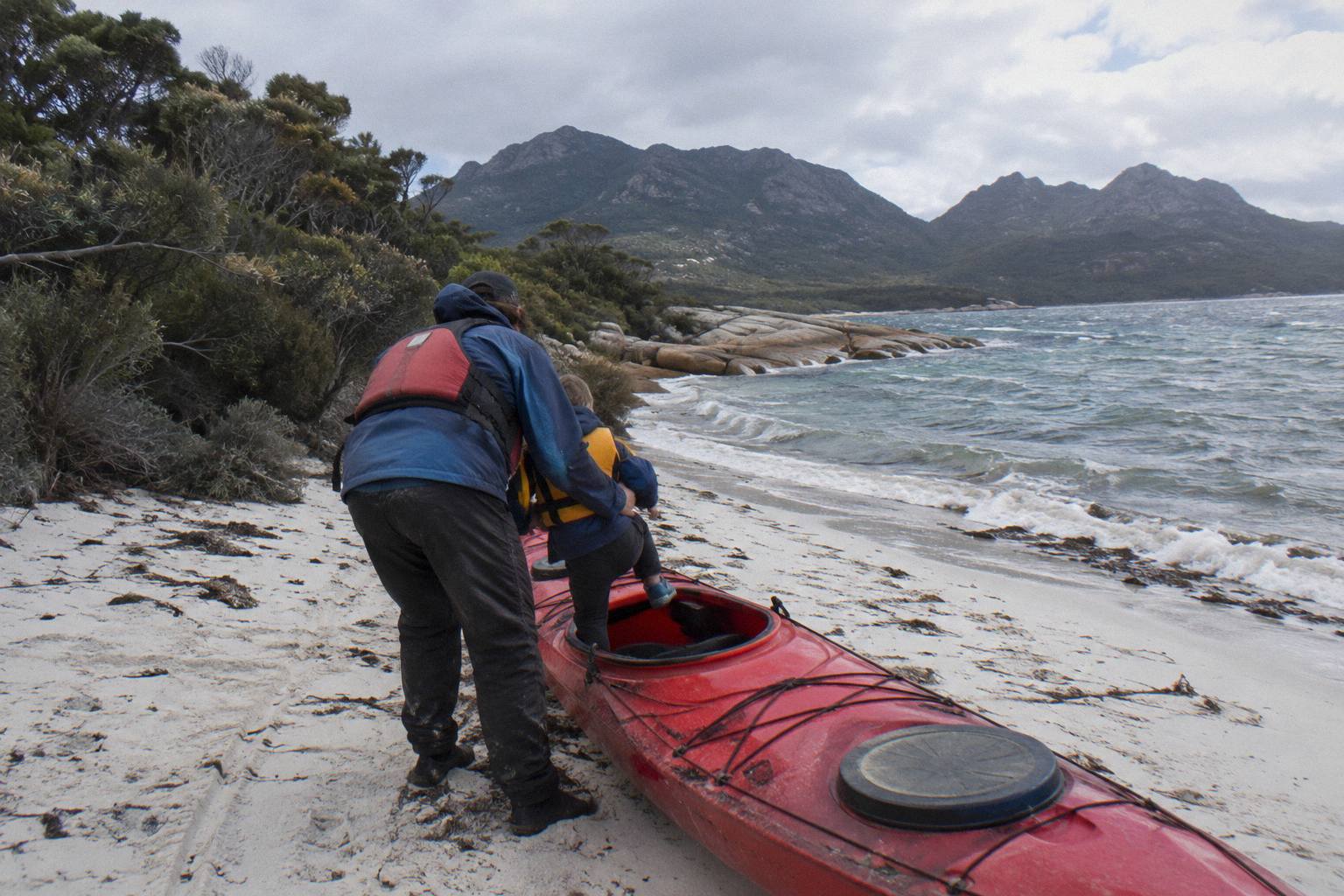
The body size figures are practical rather than exclusionary. A sit-in tandem has a defined cockpit, about 45 cm across at the seat, and the operator says the boats suit people up to 195 cm and approximately 120 kg. If you fall outside that range, say so at booking rather than at the beach, because guides may decline a guest whose body size does not fit the equipment. Asking first costs nothing and avoids a wasted morning.
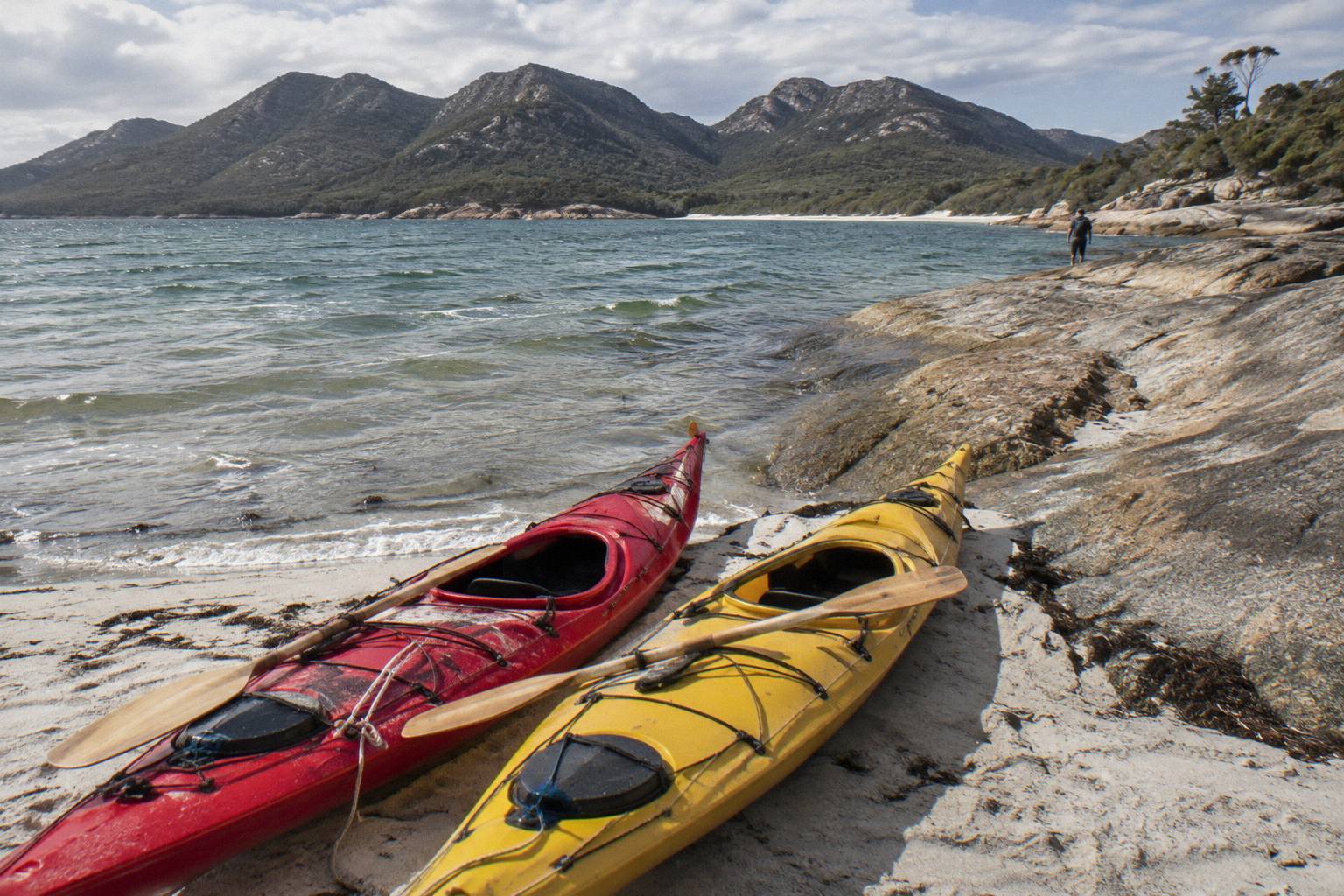
| Guest type | Does the operator's tour suit them? |
|---|---|
| Complete beginner | Yes, explicitly welcome |
| Non-swimmer | No, the operator requires guests to be able to swim |
| Child 7 to 15 | Yes, with an accompanying adult, if happy to sit still 2 to 3 hours |
| Child under 7 | No, not accommodated |
| Solo traveller | Yes, paddles with another guest or a guide |
| Guest over 195 cm or about 120 kg | Possibly not; guides may decline if body size does not fit |
| Wheelchair user | No, the booking page says the tour is not wheelchair accessible |
The solo row deserves its own word. Solo travellers do not need to bring a partner or to be strong enough to move a single kayak alone; the tandem format pairs them with another guest or a guide. The fuller picture is in solo travellers on a Freycinet kayak tour.
For anyone with a health condition, the guidance is the same everywhere in this article and simple to follow: check with your doctor about a leisurely 2 hour activity, and tell the operator when you book. No page here offers medical advice, and none should.
How The Tandem Kayak Changes The Fitness Answer
Because the boats are double sit-in sea kayaks, your fitness is pooled with a partner's. Two people share each boat's forward drive, a guide sets a group pace, and solo guests are paired rather than left alone in a single. That is why the operator can honestly welcome beginners: the craft and the group structure carry much of the difficulty, and the effort each person makes is closer to a shared walk than a solo workout.
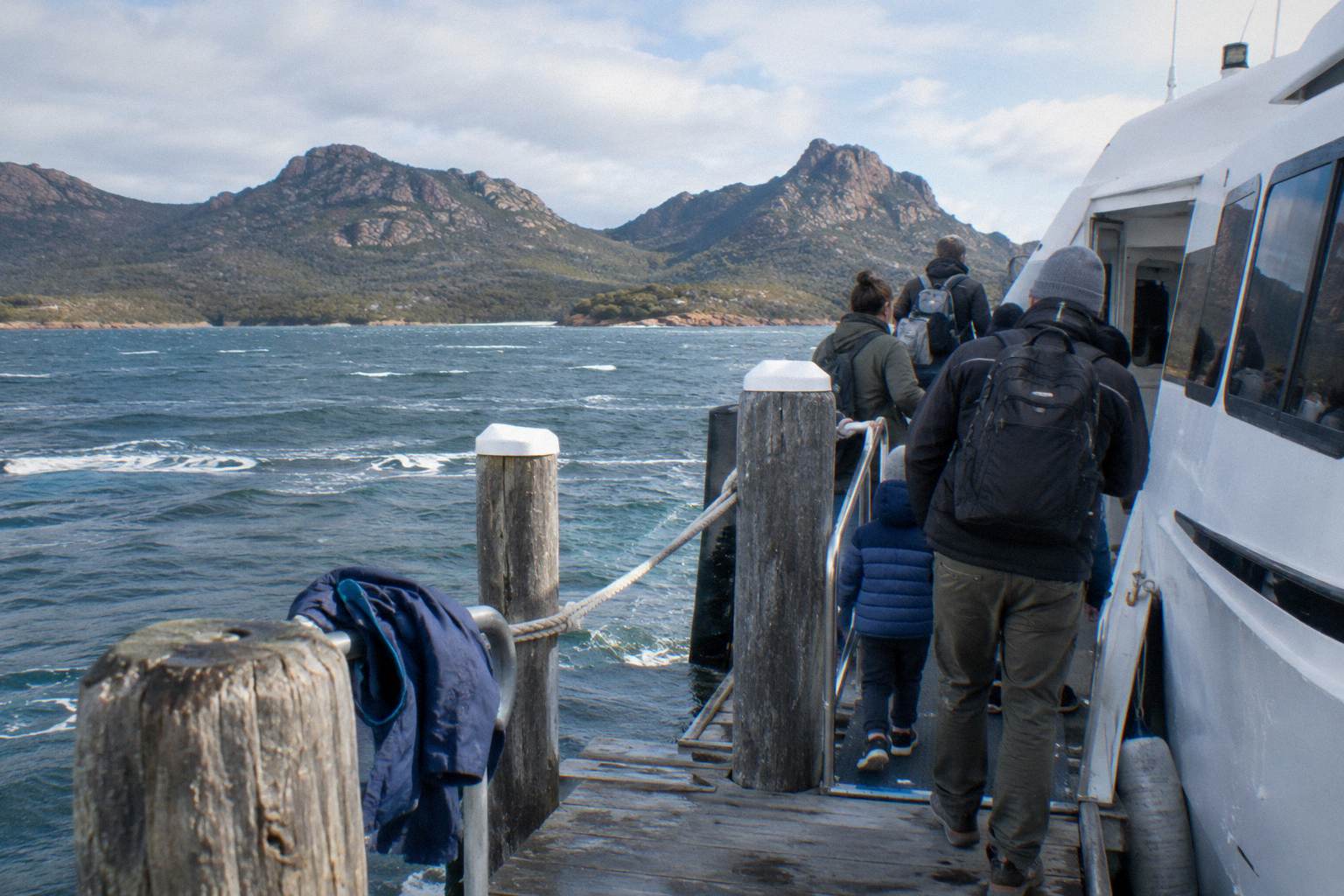
The tandem choice also shapes the technique briefing. Beginners learn one job, a steady forward stroke timed with their partner, rather than the full skill set a solo paddler needs: steering, balancing and self-management all at once. The guide handles the route, the conditions and the timing. The comparison between boat types is unpacked in tandem or single kayak on a Freycinet tour, but the fitness consequence is the part that matters here: shared load, lower bar.
Group size keeps the pace civil too. The operator's FAQ caps tours at a minimum of 2 and a maximum of 16 guests, and the booking page also says maximum 16 travellers. A group that size moves at the pace the guide sets for it, which is a social pace, with the halfway beach stop as a fixed recovery point.
What If The Day Is Harder Than Expected?
The operator's weather policy is your safety valve: guides can cancel at any time for safety, and if challenging wind is forecast the operator may contact guests beforehand and require previous sea kayaking experience and moderate fitness, otherwise offering a full refund or a reschedule. Weather cancellation always means a full refund. Guest cancellations for other reasons need 24 hours notice for a refund. You cannot book yourself into a situation you cannot handle.
Read that policy again if fitness worries are what held you back from booking. The two scenarios people fear, being exhausted mid-bay or being trapped in conditions beyond them, are both covered. Challenging wind raises the entry bar in advance rather than surprising you on the water, and a guide who judges conditions unsafe cancels with a full refund. The booking cut-off for online reservations is 3 hours before departure for the Freycinet Paddle, so same-day decisions remain possible when the morning looks doubtful.
On the water, the risk picture for this tour is bounded by geography and supervision. The paddle stays on Great Oyster Bay out of Coles Bay and does not reach Wineglass Bay or Schouten Island. PWS notes that beaches in the park are unpatrolled and cliffs hazardous, which is a reason to stay with a guided group rather than a reason to stay ashore. More on the overall picture sits in how safe sea kayaking at Freycinet is.
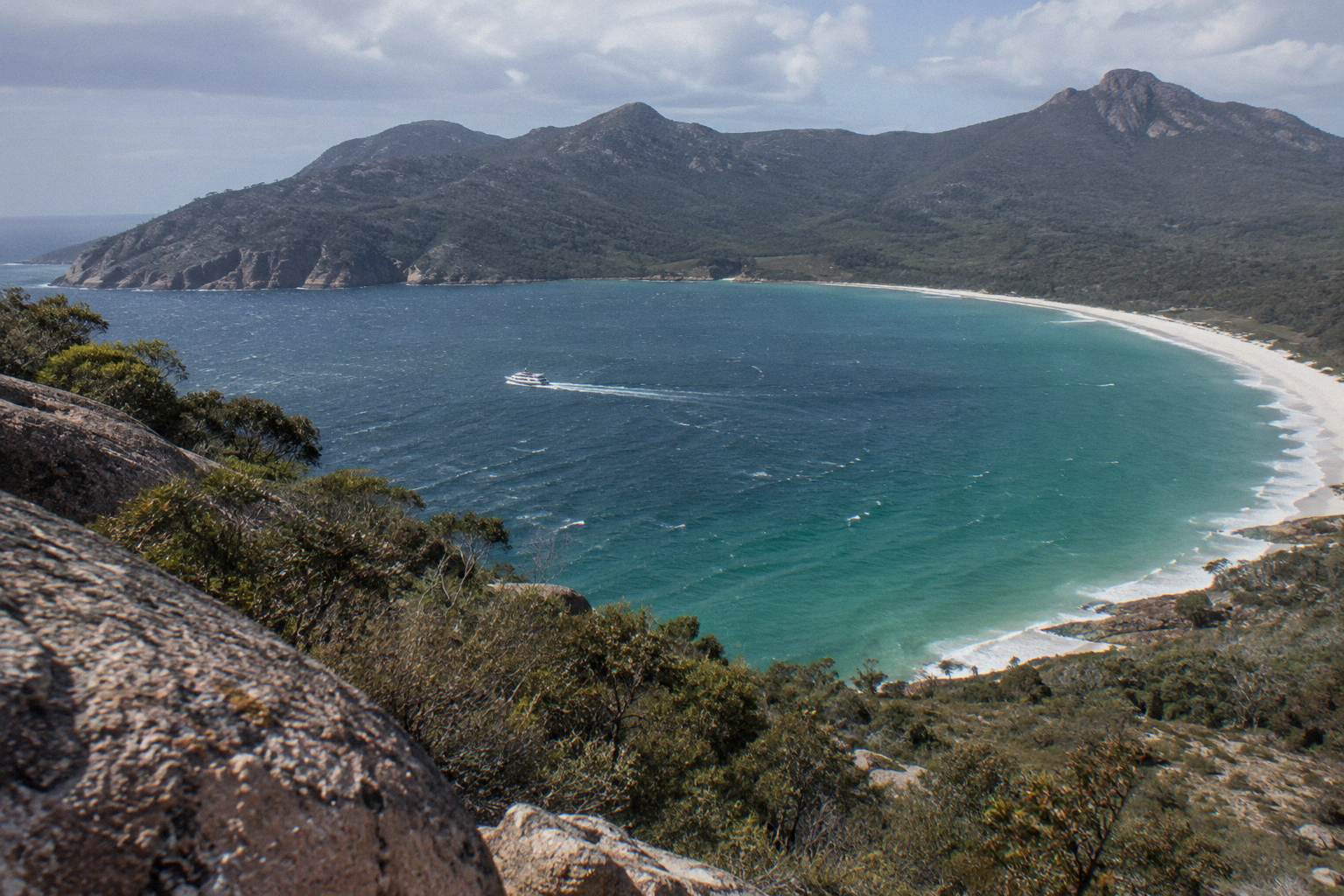
If a 3 hour paddle still feels like a stretch, the alternatives are real rather than consolations. The Wineglass Bay cruise runs about 4 hours 30 minutes from 61 Jetty Rd, Coles Bay, with no paddling at all, and the Freycinet walking tour covers ground at walking pace instead. Neither is a kayak trip; both show a different side of the same peninsula.
A Worked Comparison By Traveller Type
Couch-comfortable adults in their 50s clear the bar with room to spare, because the standard is a leisurely 2 hour activity with breaks rather than a time trial. Reasonably active families with children over 7 fit if the kids can sit still, gym-goers will find it easy, and anyone recovering from surgery, non-swimmers or visitors with limited mobility should choose a different product or ask the operator first, as this tour rewards steadiness, not strength.
Run the decision for yourself against the operator's own words. Can you swim? Are you comfortable with about 2 hours of light activity, broken up? Are you between the age of 7 and the body size the cockpit fits, or accompanying someone who is? Three yeses and a booking date are all the tour asks. The one figure that surprises people is the price of entry: from A$155 per person on the booking page, changing by date, with the operator's own site pricing varying by season and day.
Families should weigh the sit-still rule most carefully. The operator's phrasing, children from 7 who are happy to sit still for 2 to 3 hours, is the real constraint, not the paddling. A restless 9 year old may struggle more with the confinement of a cockpit than a sedentary 60 year old does with the strokes. Parents know their children; the operator has simply drawn the line where the equipment and the session length make it fair.
Common Mistakes When Judging Your Fitness For A Freycinet Paddle
The most common mistakes are all avoidable: assuming kayaking demands arms of steel when the operator's benchmark is a leisurely 2 hour activity, ignoring the swim rule until the morning of the tour, booking an under-7 child because the beach photos look family friendly, not disclosing a body size or health question at booking when guides can decline a guest on the water, and skipping the doctor conversation about a heart, shoulder or back condition.
The swim rule catches the most people out. The operator's own FAQ is the ruling document: as a safety precaution, you need to be able to swim to take part. Confident dog-paddling is not the standard, but genuine inability to swim is a hard no for the operator's tours.
The second cluster of mistakes is about disclosure. The cockpit dimensions and the 195 cm and 120 kg guidance exist so guests can self-select before paying. Booking first and discovering the fit on the sand wastes everyone's morning, and guides retain the right to decline. The same logic applies to health: tell the operator when you book, and check with a doctor if a leisurely 2 hour activity is a question for your body this year.
For everything else about planning the day around Coles Bay, Freycinet Kayaking collects the tour facts, the meeting point detail at Muirs Beach and the season-by-season picture in one place.
Common Questions About Kayak Tour Fitness At Freycinet
How Fit Do You Need To Be For A Freycinet Kayak Tour?
Fit enough for a leisurely 2 hour recreation activity, by the operator's standard. The Freycinet Paddle lasts 3 hours with about 2 hours of cumulative paddling and a halfway beach rest. Complete beginners are welcome, guests must be able to swim, and the booking page asks for a moderate fitness level.
Do I Need Upper Body Strength For Sea Kayaking At Freycinet?
No. The tour uses tandem sit-in doubles, so two people share each boat and the guide sets a group pace. Paddling is a rhythm and torso activity more than an arm strength test, and the operator welcomes complete beginners.
Can An Unfit Or Older Person Do The Freycinet Paddle?
Often yes, if a leisurely 2 hour activity is within reach and you can swim. The paddling is cumulative with a rest break halfway. For any heart, shoulder or back condition, check with your doctor and tell the operator when booking.
Does The Tour Get Harder In Bad Weather?
It can. In challenging wind the operator may contact guests beforehand and require previous sea kayaking experience and moderate fitness, otherwise offering a full refund or a reschedule. Guides can cancel at any time for safety, and weather cancellation means a full refund.
Can Children Manage The Paddling?
Children from 7 can join the operator's tour, provided they are happy to sit still for 2 to 3 hours, and everyone under 16 needs an accompanying adult. Under 7 is not accommodated. The sitting, not the paddling, is the usual limit for kids.
What If I Am Too Big Or Tall For The Kayak?
The operator says the sit-in cockpit seat is about 45 cm across and suits people up to 195 cm and approximately 120 kg, and guides may decline a guest whose body size does not fit. Disclose size questions at booking so the operator can advise before you pay.